How to Build a Winter Capsule Wardrobe
Winterise Your Wardrobe, Don’t Replace It
When the first truly cold day arrives, a familiar sense of panic can set in. Suddenly, your closet feels full of pieces that no longer feel right for the season. The instinct is to rush out and buy more, but winter clothing is expensive, and doing this every year becomes a costly cycle.
A more thoughtful and sustainable approach is to curate. This is not about replacing your wardrobe. It is about creating a small, hard-working system from the pieces you already own, supported by a few strategic additions. This becomes your workshop for building a winter wardrobe that feels aligned, warm, and easy to live with.
Step 1: Gather Your Winter Garments
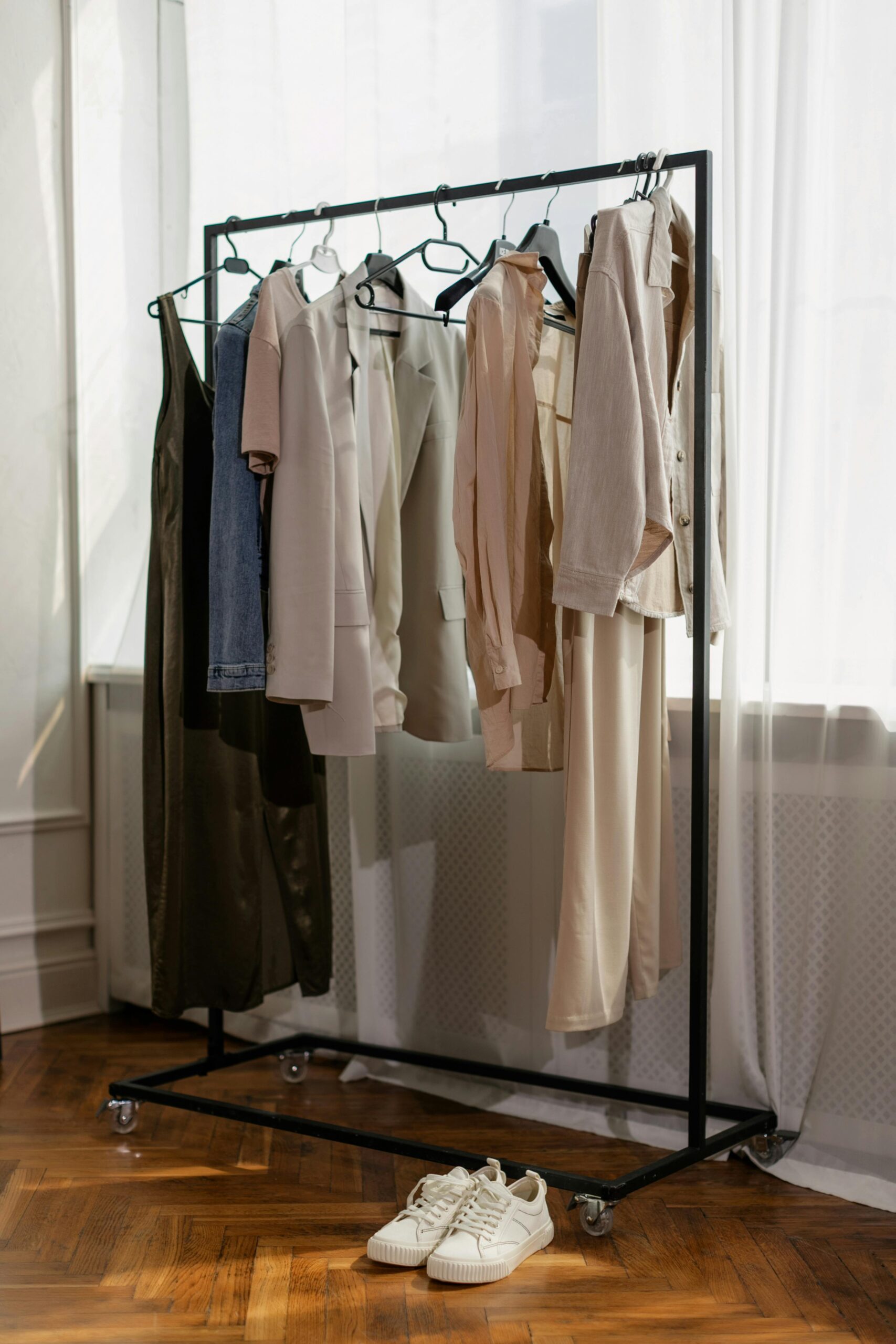
The first step is a true inventory. Physically bring out every winter-appropriate piece you own. Seeing everything in one place immediately reveals the textures, colors, and silhouettes you actually have.
Use this checklist to guide the process with intention:
- Gather: Bring out all your winter fabrics. Check the tags for natural fibers like wool or cashmere, which offer reliable warmth.
- Sort: Place items into clear categories such as outerwear, mid-layers, base layers, bottoms, dresses, footwear, and accessories.
- Assess: Check the condition of each piece and set aside anything for repair or donation. Notice which items mix well, which colors repeat, and which act as accents. This clarity will support your palette later.

Step 2: Define Your Framework
Once you understand what you have, you can create the structure for your winter capsule.
Define Your Winter Palette
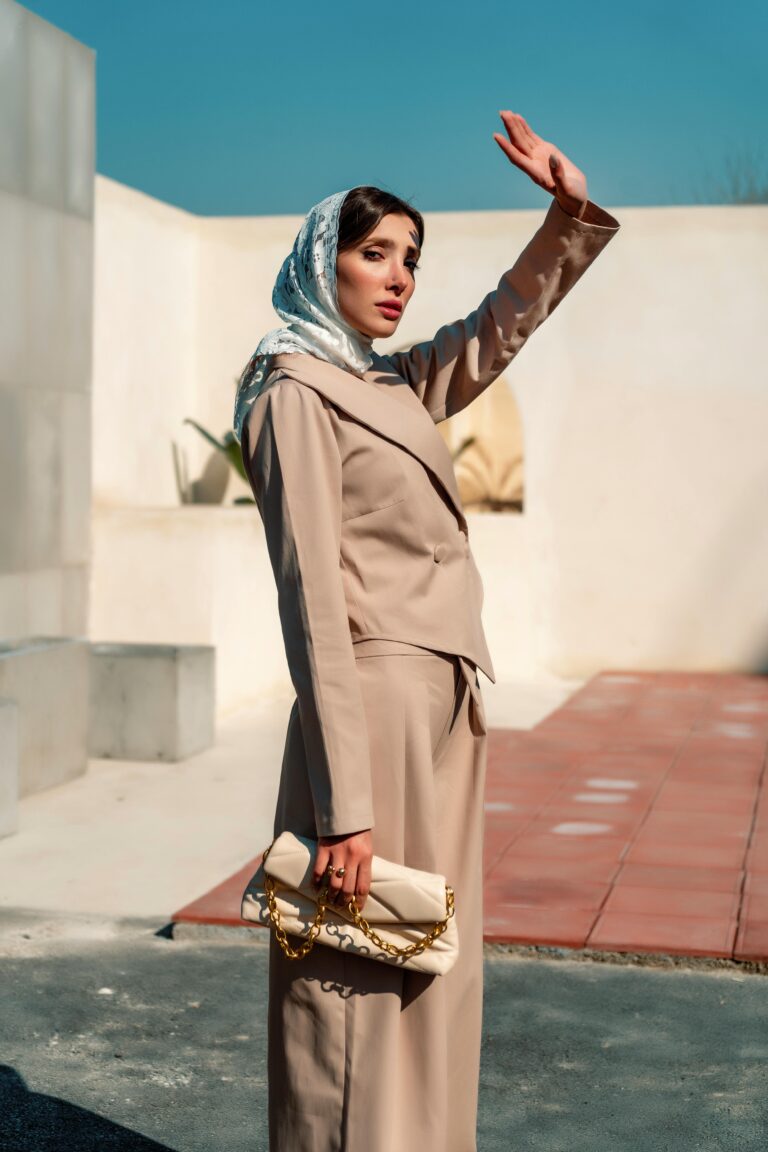
A defined palette is the key to making a small wardrobe feel versatile. The goal is harmony. Whether you prefer two or three neutrals with one or two accents, or a wider set of complementary tones, choose colors that feel true to you and work well together.
Neutrals act as your foundation and let texture take the lead. For visual cohesion, choose colors with the same undertone, either cool shades like navy and charcoal or warm shades like camel and rust.
Establish Your Core Layering Formula
Winter style rests on a three-layer system, with each layer serving a purposeful role.
The Base layer
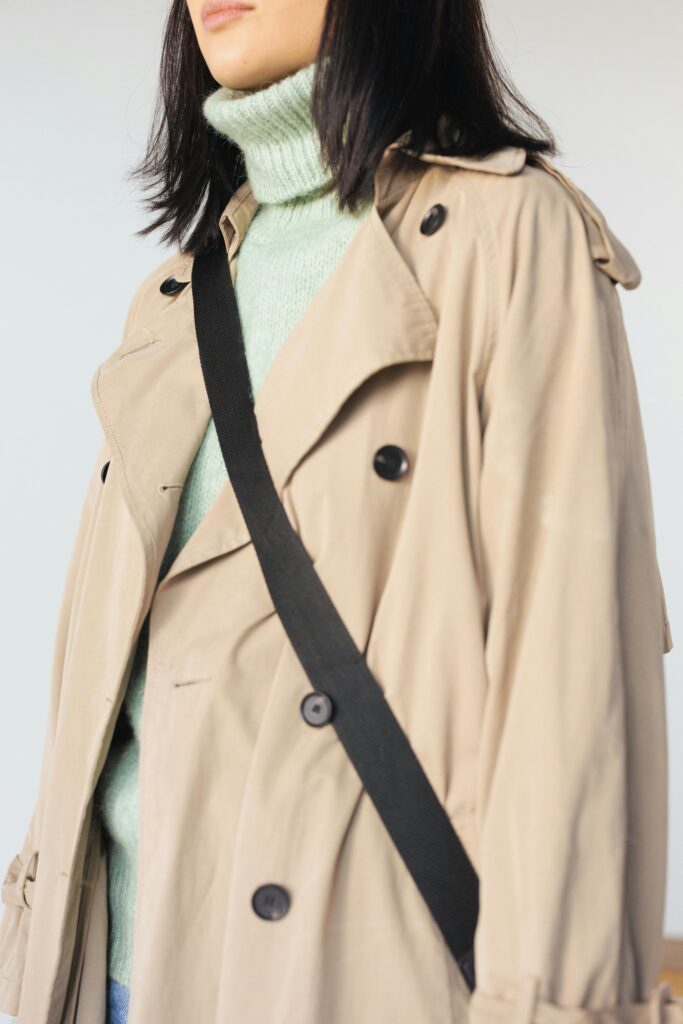
This provides warmth without bulk and sits closest to the skin. Think turtlenecks, thermals, or sleek long-sleeve tops in your core neutrals. These create clean lines and a comfortable base for everything else.


The Mid-Layer
This is where texture and personality enter. Chunky knits, soft cashmere, or flannel shirts create warmth and shape while allowing you to express your style through silhouette and fabric.
The Outer Layer
This is your protective shell and the most visible part of your outfit. A coat should feel structured enough to hold its shape and roomy enough to sit comfortably over your base and mid-layers.
Step 3: Select Your Power Pieces
Using your palette and layering formula, select ten to fifteen Power Pieces that will form the core of your winter wardrobe. Each should work with others to create multiple outfits without effort.
2 Outer Layers:
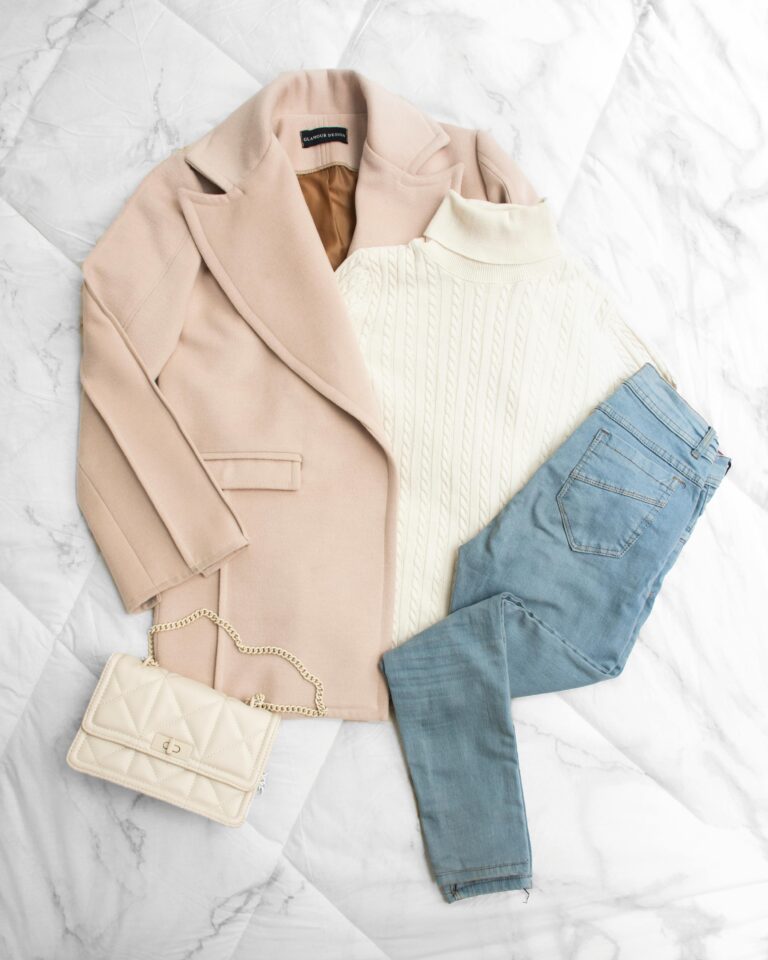
Choose one tailored coat that sharpens your silhouette and one casual option like a puffer for practical days. Each should anchor your wardrobe and carry different moods.
3 to 4 Mid-Layers:
Include a mix of textures and weights. A chunky knit adds volume and softness, a cashmere sweater creates refinement, and a crisp button-up adds structure. Together, they give you range without overwhelm.
2 to 3 Base Layers:
Choose sleek turtlenecks or long-sleeve tops that fit smoothly under everything. They should create clean lines while keeping you warm.
2 to 3 Bottoms:
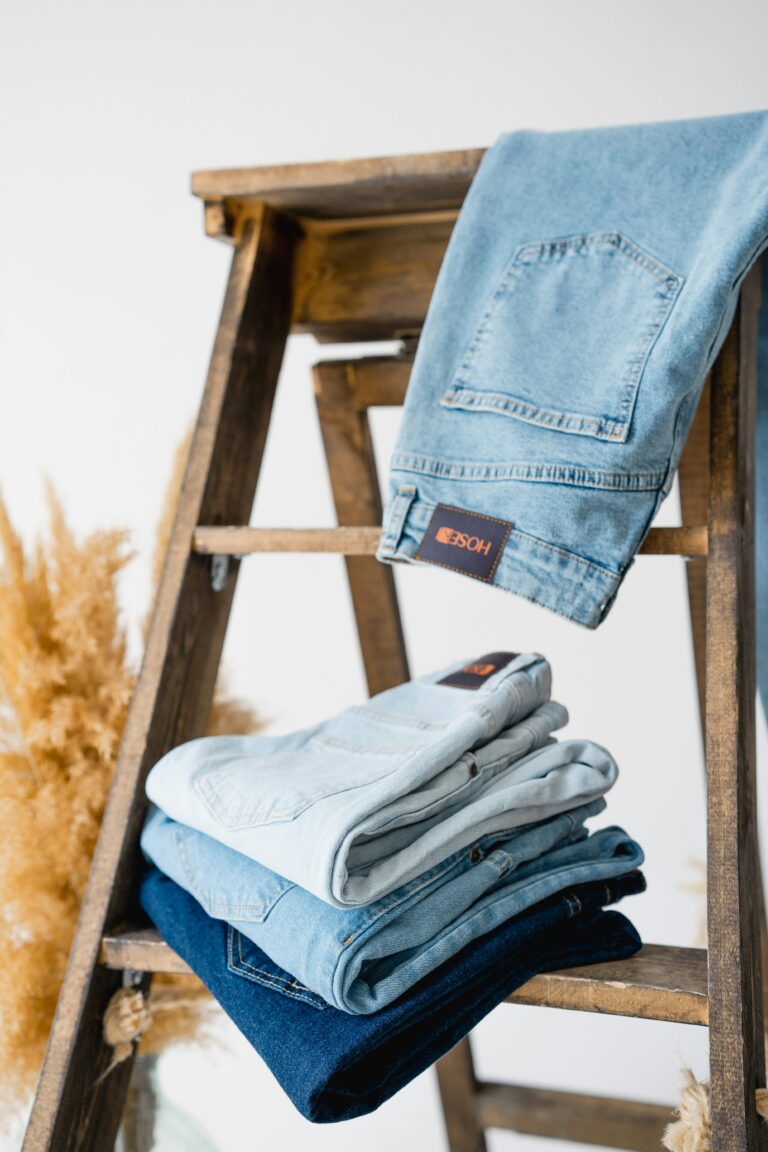
Balance structure and comfort with wool trousers, dark-wash jeans, or a skirt. Each piece should pair well with all your mid-layers and both outer layers.
1 One-Step Piece:
A knit or sweater dress offers an easy, elegant solution for days when you want to look put together without layering.
2 Pairs of Footwear:
One weatherproof boot for cold or wet days and one shoe for milder days, such as a loafer or sneaker. Together, they cover almost all winter settings.
3 Essential Accessories:
A cashmere scarf or beanie adds warmth and texture, leather gloves protect your hands, and thermal tights extend your skirt or dress options into colder weather.
Choose quality wherever possible. Durable pieces age well, feel better, and stay in rotation for years.
Putting It All Together: A Week of Outfits
The Polished Workday
A tailored wool coat over a cashmere sweater with wool trousers and loafers. The blend of structure and softness creates a refined, balanced look suitable for any formal setting.
The Cozy Weekend
A casual puffer paired with a chunky knit and denim jeans. This combination offers warmth without feeling heavy and keeps your silhouette relaxed yet intentional.
The Chic Evening Out
A knit dress with boots and your tailored coat. This pairing creates a long, uninterrupted line and transitions effortlessly from day to night.
Conclusion: Your Winter Capsule as a Cozy Cabin
Your winter closet does not need to feel crowded or chaotic. By curating a tight system of pieces that are functional, versatile, and aligned with your style, you create a winter wardrobe that works with you rather than against you.
A wardrobe built on intention brings clarity and comfort to your daily routine. As a final step, store the other winter items you set aside for thirty days. This simple closet freeze will show you how easily a focused winter capsule can support you through the season.