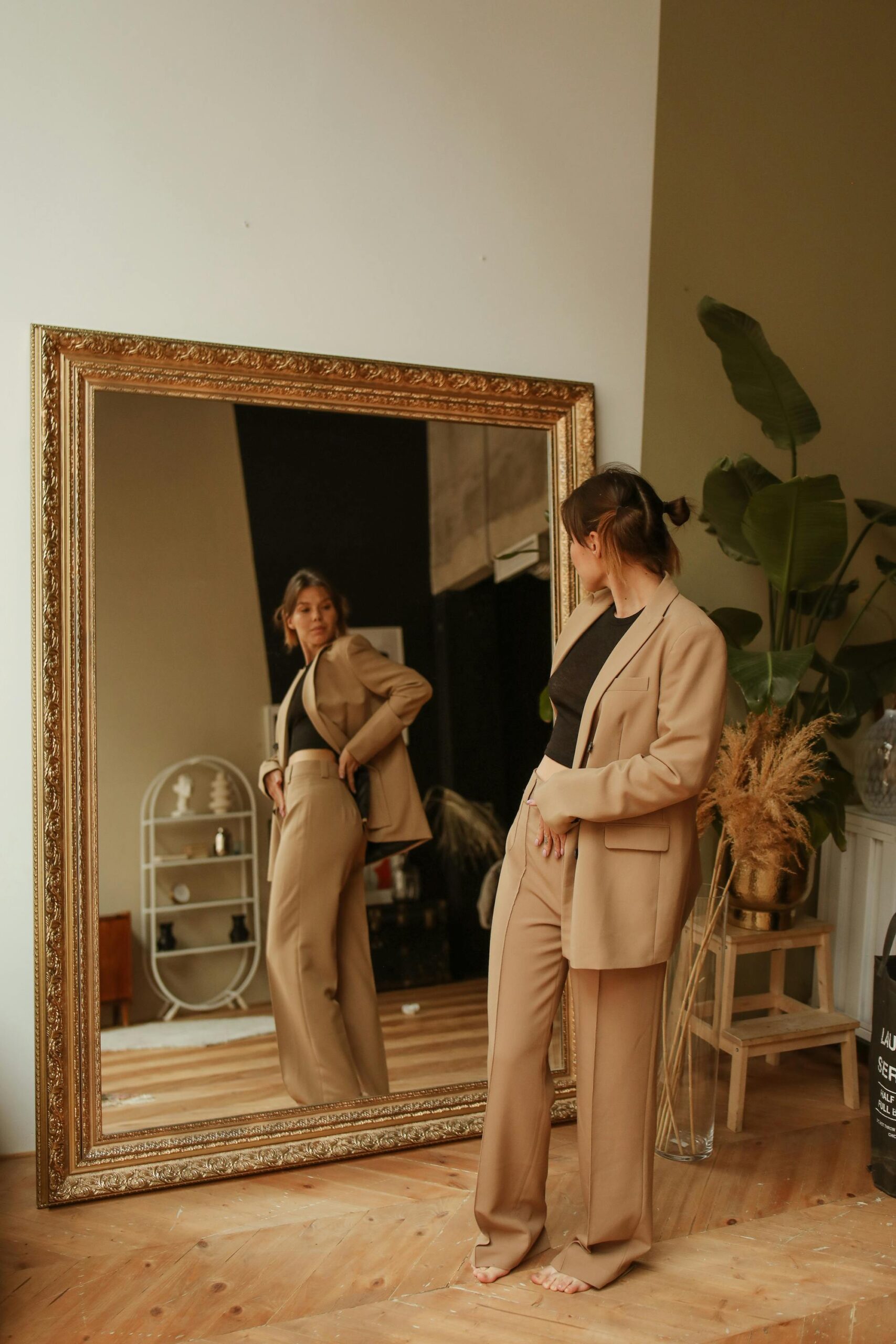
Why Your Outfit Looks “Fine” but Still Feels Wrong
We have all been there. You’ve spent forty minutes in front of the mirror, the clothes are objectively nice, and the fit is technically correct. The math is mathing, but the vibe is missing. You are in a styling limbo where the outfit is not bad, yet it lacks the soul and intentionality that makes a look feel like you.
Fixing this does not require a total wardrobe overhaul. Most of the time, the wrongness you feel comes from a minor visual misalignment between the pieces. To move from simply wearing clothes to having a look, you need to adjust a few specific elements that shift the energy of the outfit.
Below are the primary checks to run when your outfit fails the mirror test, along with the micro-gestures that bring a look back to life.
1. The Shoe-to-Hemline Friction
Sometimes pieces look flattering on their own but refuse to speak the same language together. If you wear a heavy, detailed top or multiple layers on the upper body and pair them with a very delicate shoe, the outfit becomes visually top-heavy. At this point, you are choosing between harmony and tension.
Choosing Harmony: Matching the Weight
If your goal is a seamless, elegant flow, the visual weight of your shoes should match the weight of your clothes. A delicate silk slip dress paired with a slim, strappy sandal creates harmony. The energies align, and the eye travels smoothly from top to bottom without interruption.
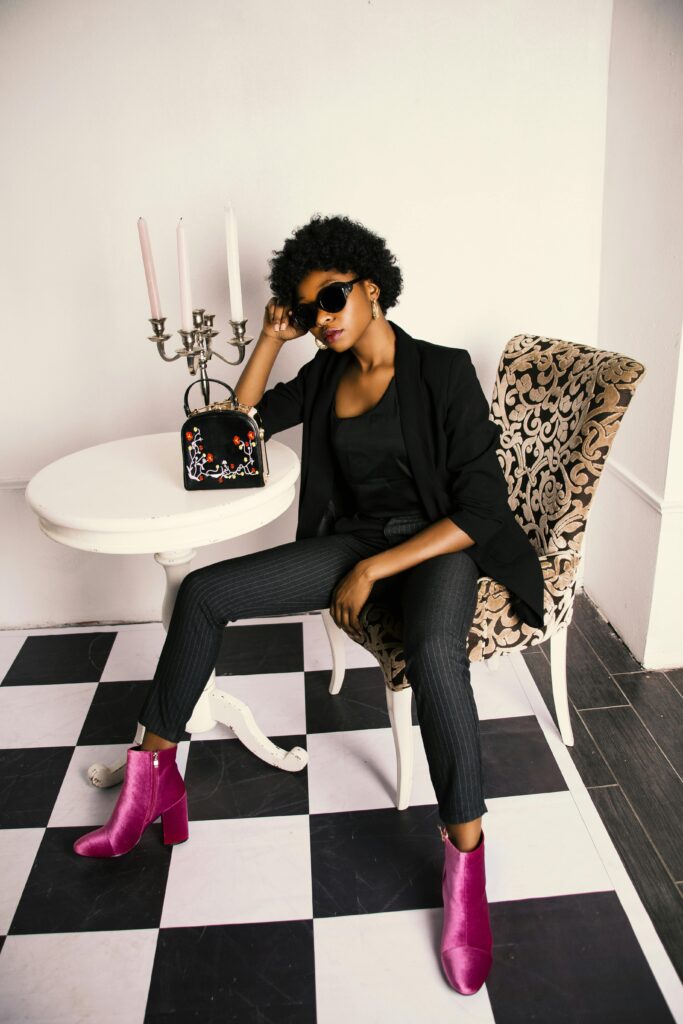
Choosing Tension: The Wrong Shoe Theory
If the outfit feels boring rather than wrong, you may need tension. This is where the Wrong Shoe Theory comes in. You intentionally choose footwear that contradicts the mood of the clothes, such as pairing that same silk dress with a rugged, lug-sole boot. The contrast creates interest, but only if the shoe has enough substance to anchor the look. When you introduce friction, it must read as a choice, not an accident.
2. Shifting the Visual Horizon
A common reason an outfit feels stagnant or boxy is the 50/50 split. This happens when the top and bottom occupy the same amount of vertical space on the body. The eye gets stuck at the waistline, making the outfit feel static, almost like a uniform rather than a styled look.
Breaking the 50/50 Symmetry
To correct this, you need to shift the visual horizon into a one-third or two-third rhythm. This creates movement for the eye. You can do this by adjusting where the waist is perceived. A high-waisted trouser paired with a tucked-in top instantly changes the proportion and lengthens the leg line.
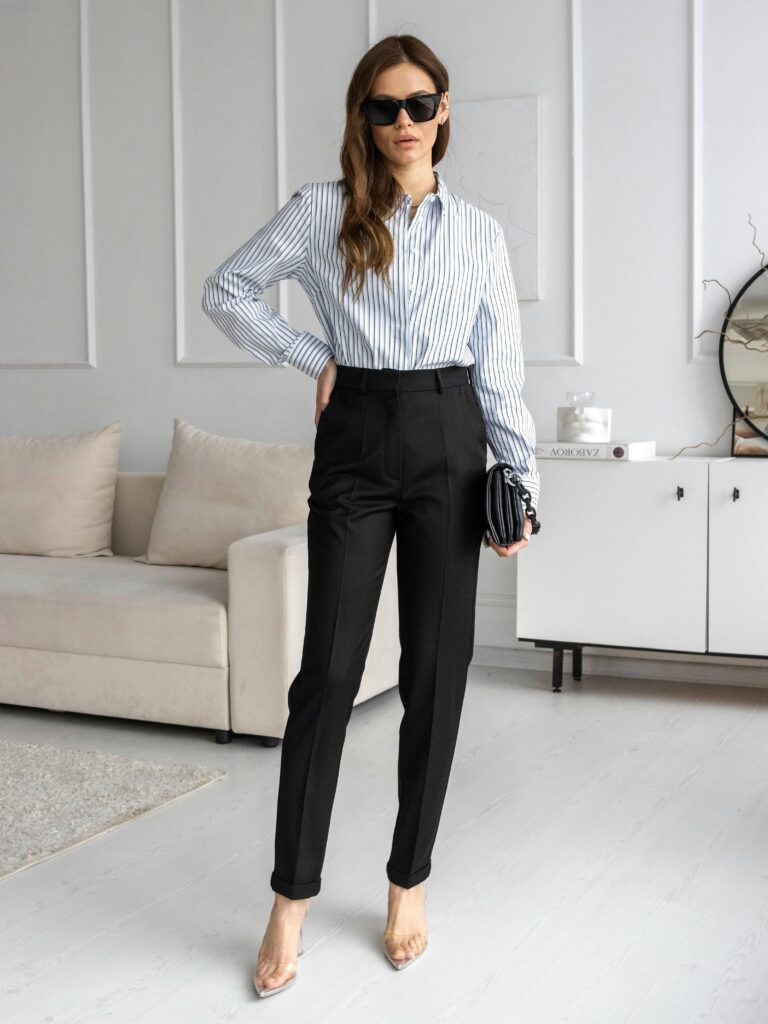
The Power of the Tuck
If a full tuck feels too formal, a French tuck adds just enough variation to break the monotony. A belt or even a silk scarf tied at the waist can create a new visual break. Adding an outer layer, such as a long coat over a shorter dress, is another effective way to introduce vertical depth and movement.
3. The Third Piece Rule
When you wear only a top and a bottom, the outfit can feel unfinished, as if you stopped halfway. The third piece acts as the connector. It signals that the outfit has been considered.
From Clothed to Styled
The third piece pulls the look off the hanger and into real life. This could be a blazer, a cardigan, or a sweater casually draped over the shoulders. It introduces volume and texture that basics alone often lack.
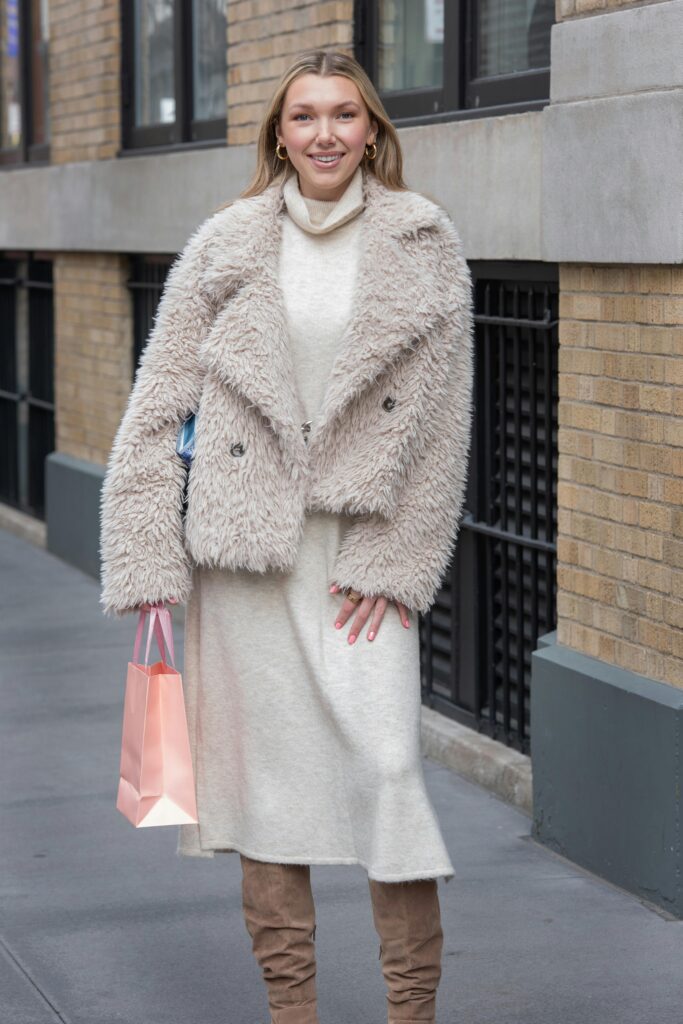
Strategic Layering
When basics feel bland, an accessory can take on the role of the third piece. A structured bag, a bold belt, or stacked jewellery can complete the look. Even tying a jacket around the waist or shoulders can transform a simple tee and jeans into something cohesive and editorial.
4. Textural Highs and Lows
An outfit can feel flat even when the colours are beautiful. This often happens when every piece is made from the same matte fabric, especially cotton. Without textural contrast, the eye has nowhere to rest.
The Rough and the Smooth
To give an outfit depth, mix shiny and matte surfaces. Pair silk with a fuzzy knit, or rugged denim with delicate chiffon. These surface contrasts create richness and make simple outfits feel more considered.
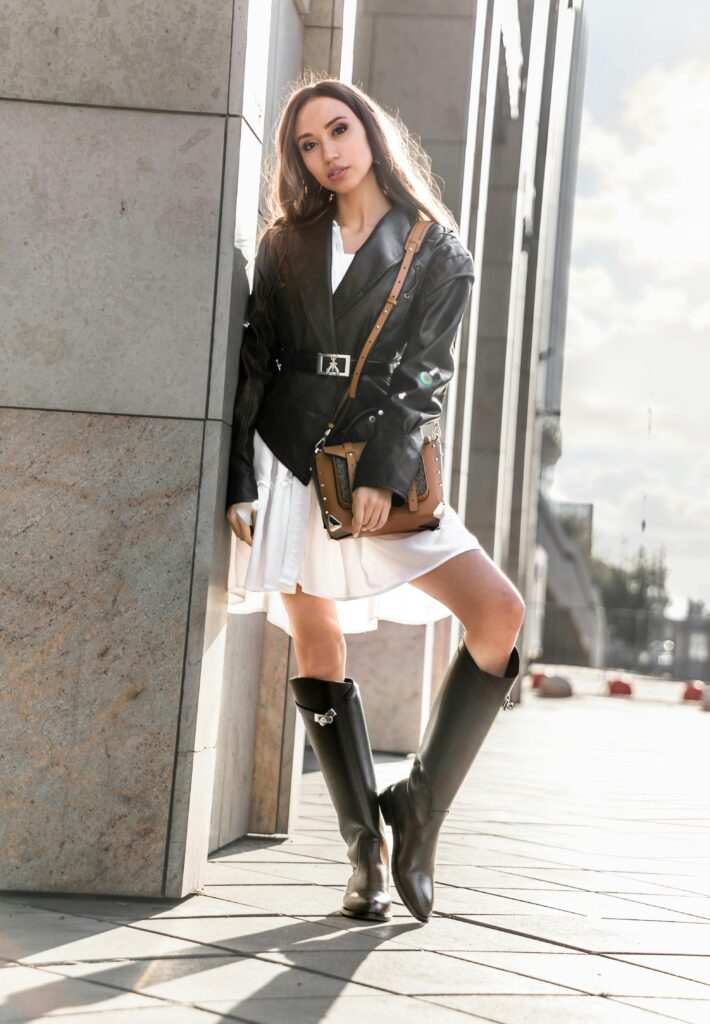
Unexpected Texture Combinations
Try mixing low and high fabrics, such as leather with lace or wool with silk. One effective stylist trick is wearing patterned or lacy tights under denim, finished with a sharp heel. That small reveal at the ankle adds a sense of intention and gives the outfit a quiet secret.
5. The Bookending Technique
Outfits feel disjointed when the top and bottom seem unrelated. Without a visual bridge, the look can feel like a skeleton made from different people’s bones, lacking a unifying frame. Bookending fixes this.
Framing the Silhouette
Bookending means echoing the tone or colour of your hair or top in your shoes. Dark hair paired with dark shoes frames the outfit and creates a visual loop. It grounds the look and keeps the eye moving fluidly.
Cohesion Through Accessories
You can also bookend through materials. A brown leather belt paired with brown leather shoes creates instant continuity. Silver jewellery works best when echoed in shoe buckles or bag hardware. These small repetitions signal that the outfit has been built with intention.
6. Analysing Contextual Friction
Sometimes the outfit is right, but the setting is wrong. Contextual friction happens when your clothes do not match the environment.
Dressing Down on the Fly
If you feel overdressed, you can soften the look quickly. Swap heels for sneakers or a casual flat. Add a lightweight cardigan over a structured dress. Loosening your hair from a sleek bun into something more relaxed can instantly lower the formality.
Elevating a Casual Look
If you feel underdressed, polish is the solution. Delicate jewellery, a loafer instead of a sneaker, or a bold lip can raise the energy without changing your clothes. The goal is alignment between how you feel inside and the space you are in.
7. The Micro-Gestures
The final five percent of styling is not about what you buy, but how you wear it. If an outfit feels stiff or robotic, it needs humanising details.
The Art of the Imperfect
Pushing up sleeves, popping a collar, or unbuttoning a shirt slightly makes a look breathe. These gestures soften new or formal pieces and signal ease.

Lived-In Style
Half-buttoning a cardigan or letting a scarf sit loosely rather than perfectly wrapped shifts attention away from the garments and toward your presence. The outfit stops wearing you, and you start wearing the outfit.
The Internal Check: Does It Click?
Ultimately, these techniques are tools to help you reach alignment. They are there for moments when the mirror does not reflect how you feel.
Fashion is not a rigid system of right and wrong. If you look in the mirror and feel beautiful, even when proportions are imperfect or textures are simple, the outfit is working. Confidence and poise are the only accessories that cannot be bought, and they often turn an incorrect outfit into an iconic one.
Trust your instinct. If something does not click, adjust it. If it does, stay with it.
If you have your own “fine but wrong” scenarios or better alternatives to these fixes, I’d love to hear them. Join the conversation on my Substack, Intermirror, where we dive deeper into these styling shifts in our community chat.