Why Dress Codes Still Matter (Even When We Pretend They Don’t)
The modern world is obsessed with the idea of freedom, especially in how we look. When a wedding invitation says “come as you are,” it is often received as progressive and generous. But whether this is truly freedom or simply a hidden social test is worth examining.
When formal rules are removed, responsibility does not disappear. It quietly shifts from the host to the guest. The guest now has to decode the status of the host, the decorum of the space, and the unspoken expectations of the group. Dress codes may appear outdated, yet breaking these invisible rules, such as outshining a bride, still invites scrutiny from a watchful society. The result is not liberation, but confusion.
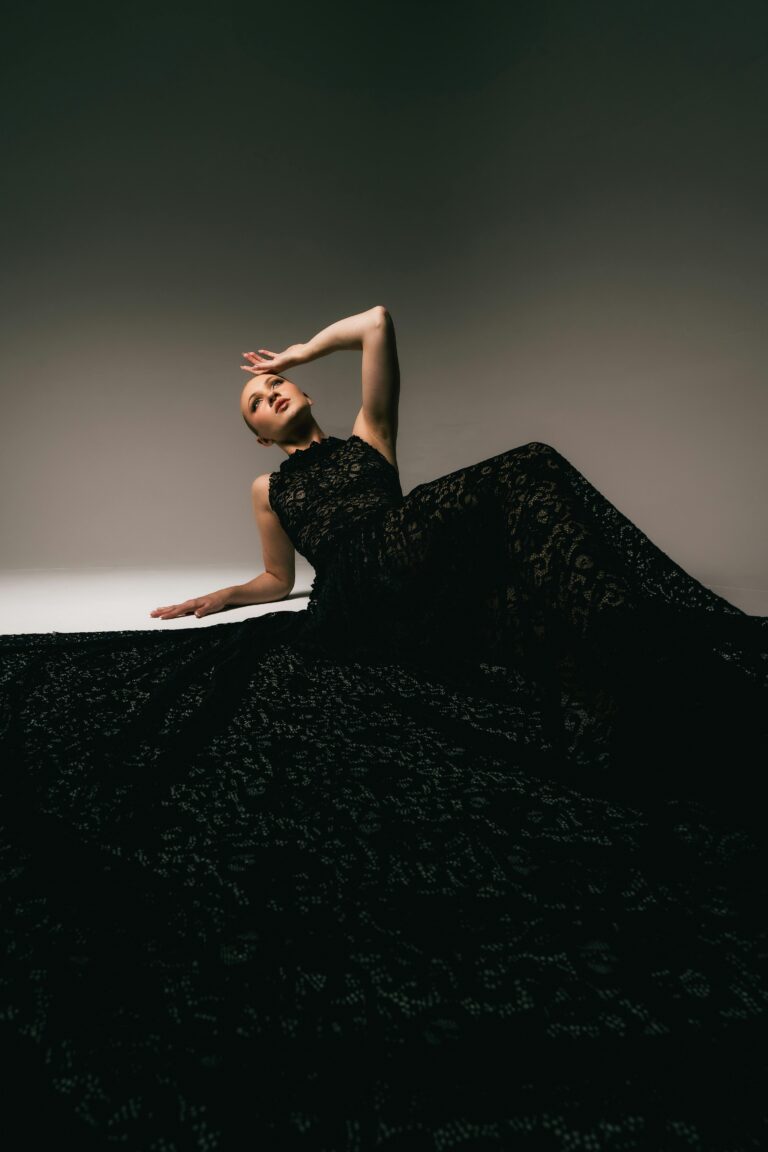
Clothing functions as a quiet language that speaks before we do. In social settings, it creates order because it is easier to regulate appearance than intelligence or personality. Within the first few seconds of seeing someone, we instinctively judge competence and trust based on what they are wearing.
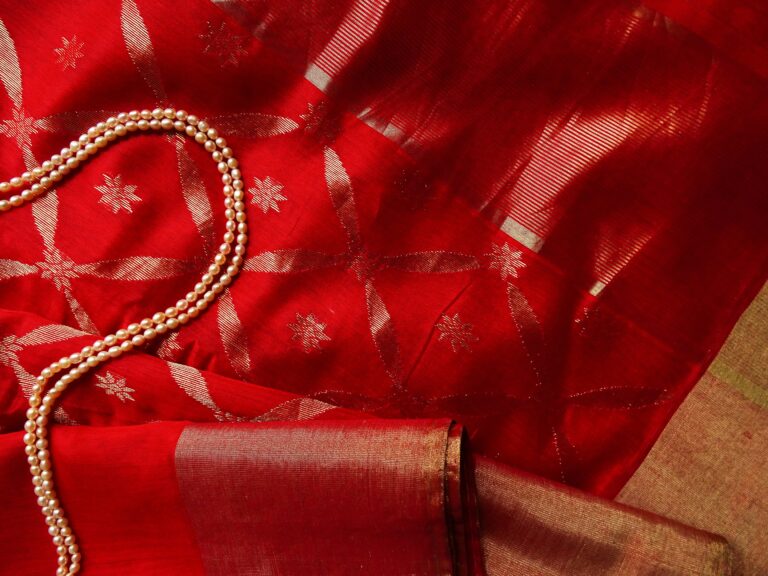
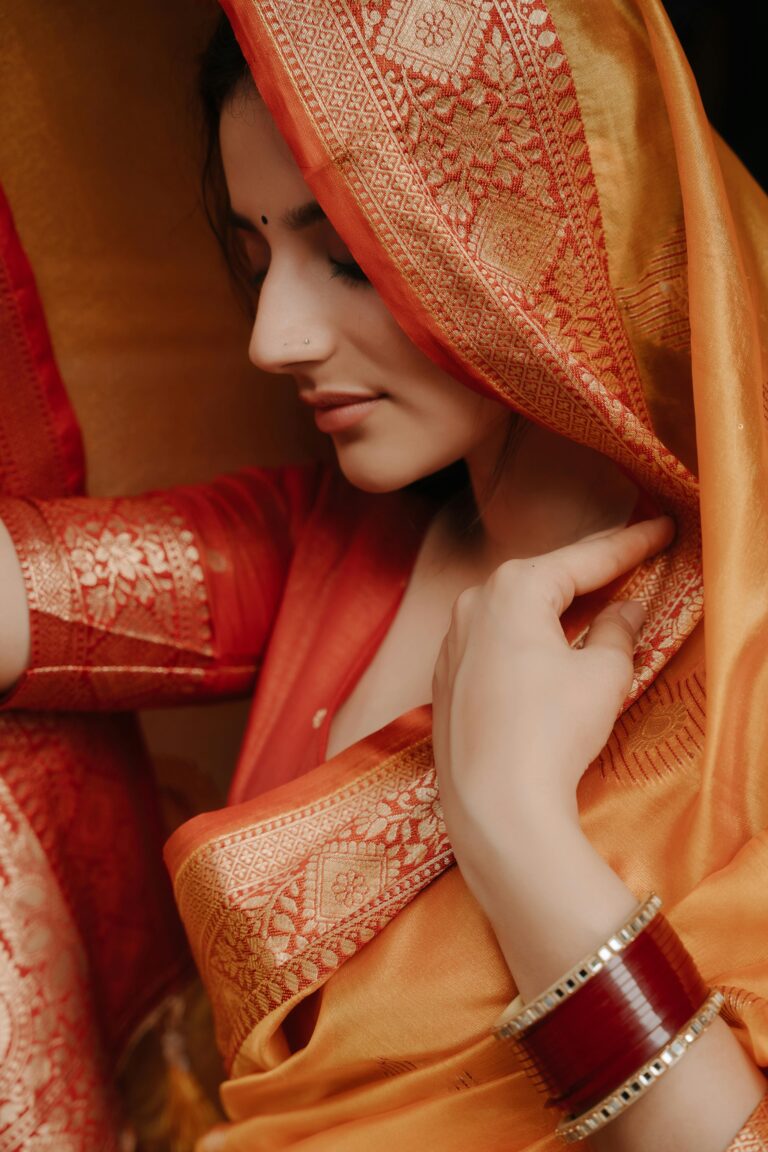
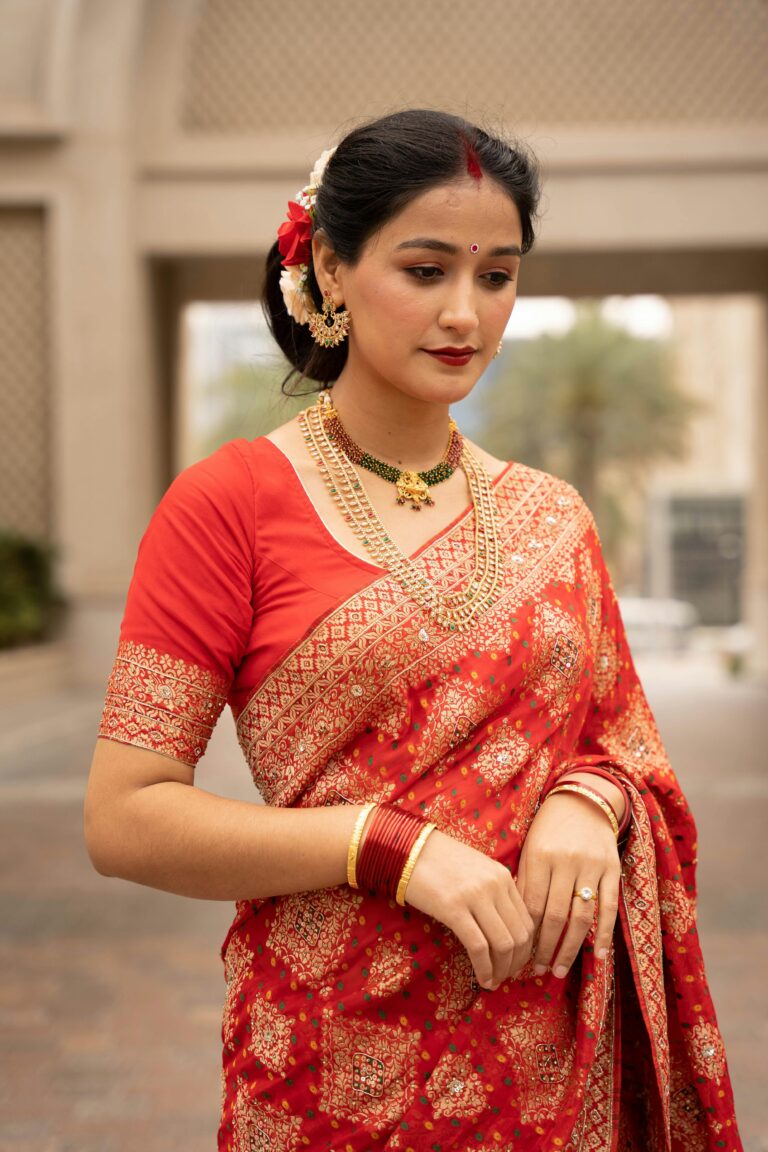
A suit suggests a corporate or legal profession, not an athlete. Different environments develop their own visual cues. The bold colours associated with artists, the pearls of high society, or the way a saree is draped all communicate background, community, and social positioning. Clothing makes people legible to one another. It acts as a shorthand that allows society to quickly decode class, wealth, and authority, even when it says nothing about character.
There is a quiet relief in this legibility that is rarely acknowledged. Dress codes reduce the cognitive load of constantly calculating how to present oneself or how not to offend others. When no shared code exists, appearance becomes closely tied to money. People begin to feel inadequate or pressured to own multiple outfits simply to signal status. Conversations shift toward how often outfits are repeated or whether brands are authentic.
These comparisons, though subtle, create unease. In some contexts, uniforms function as a more stabilising alternative. By acting as a social equaliser, they reduce visible class differences and allow attention to move toward skills, behaviour, and contribution rather than appearance.
Resistance to dress codes did not emerge without reason. Historically, they were instruments of control. In parts of Europe, laws once punished poor people for wearing silk or fur in order to maintain rigid class boundaries. Even today, dress codes can feel restrictive, particularly for women and those across the gender spectrum. Many workplaces place disproportionate pressure on women to appear groomed, polished, and visually acceptable because they are constantly visible to the public.
When transgender or gender-fluid individuals dress according to how they feel rather than how they are biologically categorised, the act is often treated as a violation. This is where dress codes become explicitly gendered. The frustration stems from a deeper question. Why should a person be judged by their appearance rather than their values? In a fast, digital century, these inherited structures can feel misaligned with how people want to live and be seen.
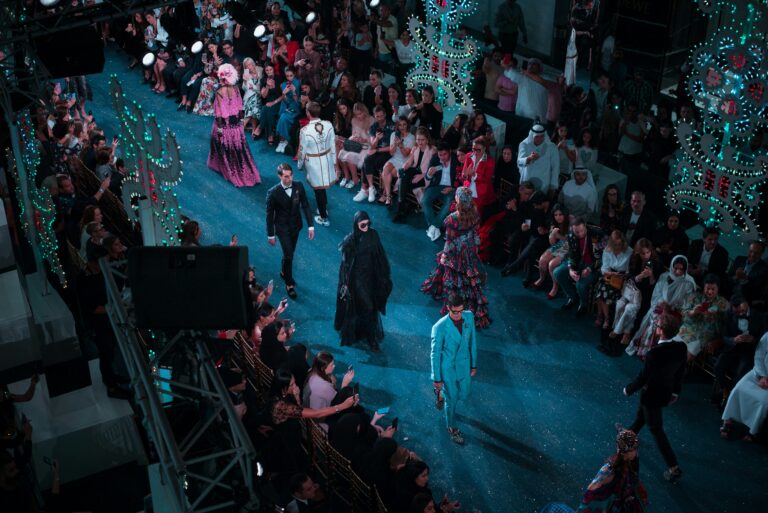
If dress codes disappeared entirely, the first thing to fracture would be group coherence. Imagine a formal business meeting where one person arrives in a bodysuit, another in pyjamas, and another in a swimsuit. The meeting would lose its focus before it even begins. Trust would be disrupted, and attention would shift from purpose to appearance. This highlights the distinction between expression and legibility. Expression reflects personal feeling and style. Legibility allows social systems to function by providing a shared visual language.
This tension sits at the centre of modern dressing. People want individuality and are tired of rigid rules. At the same time, they need to be understood correctly by the world around them. The solution is not to eliminate dress codes entirely, but to examine them more thoughtfully.
A certain level of structure prevents constant anxiety around status, while flexibility allows clothing to reflect values and identity. Society is still negotiating how to evolve without losing the shared frameworks that hold groups together.