What to Let Go of in Your Wardrobe Before the New Year
Why Your Closet Feels Heavy at Year-End
In the quiet, reflective phase at the end of the year, you stand before your wardrobe and feel a sense of overwhelming familiarity. By December, your daily closet often shifts from something you actively engage with to something that fades into the background. You have seen these pieces so often that they begin to blur together, a process the brain associates with habituation. When something remains constant for too long, the mind stops registering it with the same clarity.
Even if you have not bought much this year, your wardrobe can still feel heavy. This heaviness is not dramatic boredom. It is quieter and more emotional. Each garment carries traces of the year you lived. Revisiting clothes is different from scrolling through photos. Clothing brings the body back into memory. A fabric can recall long workdays, social pressure, moments of confidence, or periods of emotional exhaustion. Before adding anything new, it’s helpful to first understand what no longer needs to move forward with you.
The Wearability Check
This first layer focuses on pieces that quietly slow you down and add visual noise without offering real function.
Fit Issues
Pieces that are now too tight or too loose due to the natural evolution of your body often stay in the closet out of habit or optimism. Clothing that no longer fits comfortably creates friction every time you reach for it and adds unnecessary decision fatigue.

Fabric Damage
Garments where the color has faded, the texture has stiffened, or the surface is covered in pilling and bumps demand more effort than they give. Even when the silhouette is right, worn-out fabric lowers the overall quality of how you feel in the outfit.
Physical Discomfort
Shoes that cause blisters or fabrics that irritate your skin quietly drain your energy throughout the day. Discomfort pulls attention away from your work, your presence, and your confidence.
If a piece can be restored through simple repair or professional cleaning, it is worth setting aside for that purpose. If it cannot be made wearable again, it becomes baggage. Removing these items clears low-level visual stress and makes getting dressed easier.
The Gap Between Your Closet and Your Life
This layer involves clothes that are technically fine, yet your hand passes over them almost automatically. These are some ways you can access these clothes.
The 99/100 Rule
If you have bypassed a garment ninety-nine times out of a hundred, it signals an evolution in your routine, preferences, or lifestyle. Frequency reveals more truth than intention.
The Endowment Effect
We often overvalue what we own simply because we own it. Over time, attachment softens, making it easier to see whether a piece truly belongs in your life or is simply familiar.
The Sustainability Shift
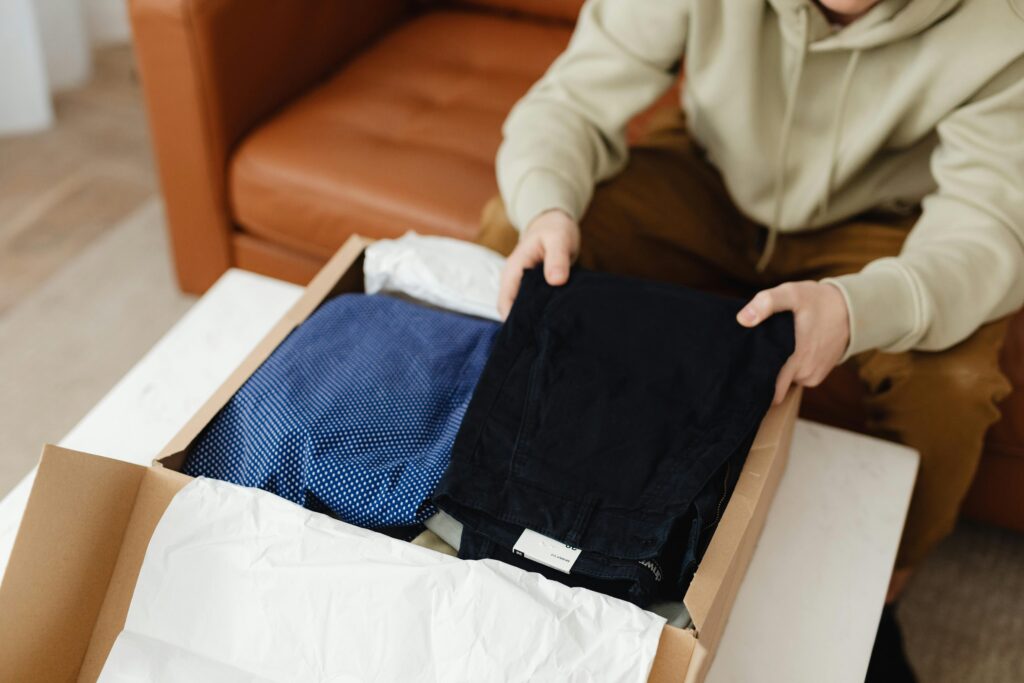
If a piece is good but forgotten, reselling or passing it on allows it to complete its purpose elsewhere. This extends the garment’s life cycle and ensures it is actually worn instead of sitting unused.
This stage is not about loss. It is about alignment between what you own and how you actually live.
When Clothes Cost More Than They Give

This is the most important layer of letting go. These pieces may look fine on the hanger, but they drain you the moment you put them on. These are the clothes that you can let go of, or just put them aside, not in your actual closet.
Attention Residue
Clothes that require constant micro-adjustments, such as slipping straps, gapping buttons, or waistbands that ride up, quietly hijack your focus throughout the day. The cost is not visible, but it accumulates mentally.
The Guilt Anchors
Expensive mistakes or gifts from relatives that do not suit your style often stay out of obligation. Guilt does not build a better outfit. It replaces ease with pressure.
The Archive Strategy
If you cannot part with a sentimental piece, move it out of your active closet and into a separate storage space. Your daily wardrobe should serve your current, lived identity, not emotional obligation.
Reading Your Wardrobe as an Annual Report
Before finishing this process, it helps to pause and observe what remains. Your wardrobe holds clear data about the year you lived.
Notice which pieces carried you through the year with ease and consistency. Notice which stayed untouched. This contrast reveals the roles you actually inhabit versus the ones you imagined. Many people discover they own clothes for frequent formal events while living mostly in work-from-home routines, power walks, or quiet social settings. This reveals a gap between The Imagined Life and Your Actual Rhythm.
Balancing Your Alter Ego Pieces
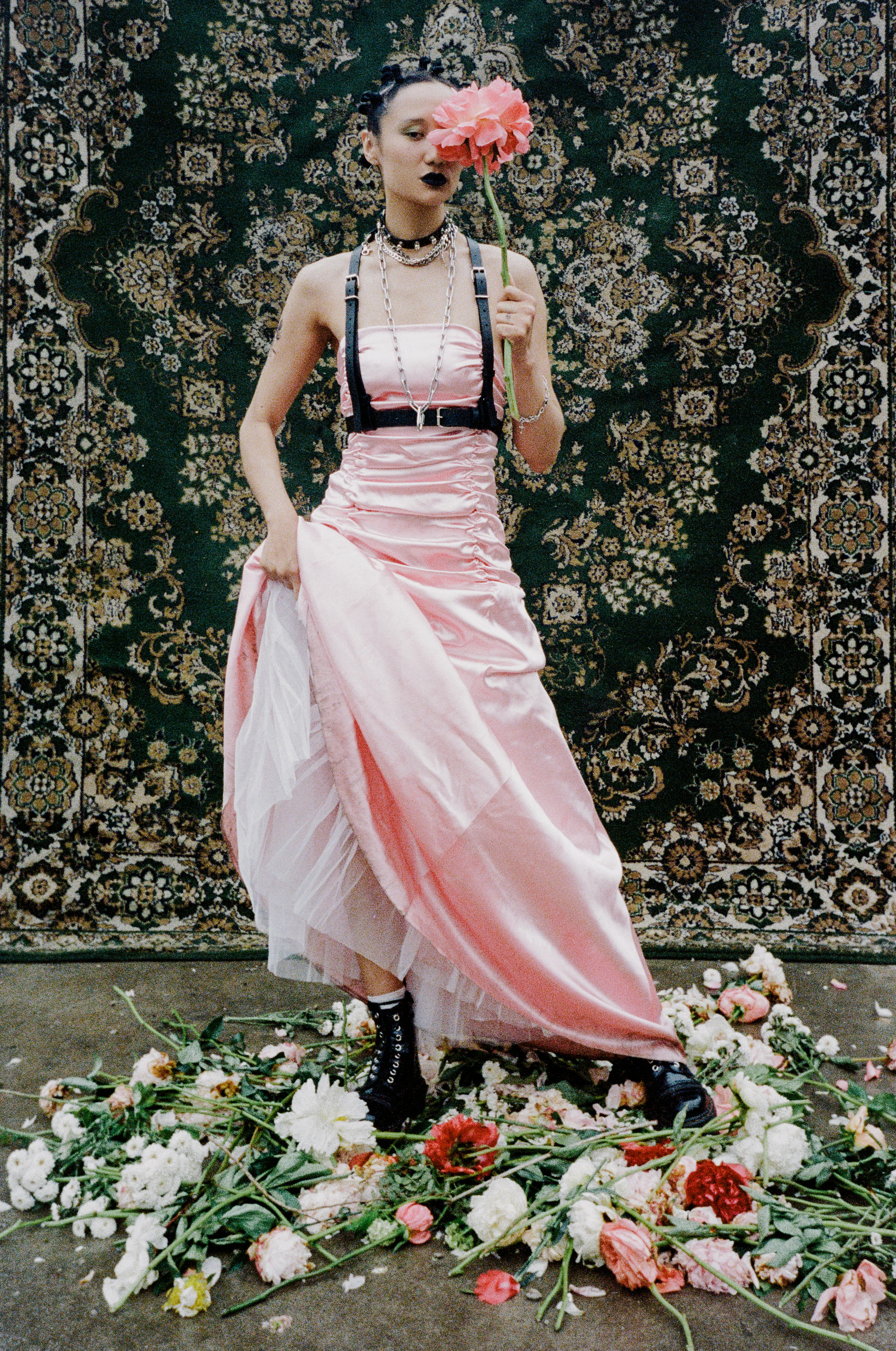
It is normal to own clothes for your alter ego. These are the pieces that spark excitement, creativity, or curiosity. They represent possibility rather than routine.
Fantasy becomes an issue only when it overwhelms reality. Keeping a few expressive or playful items is healthy, especially if they serve creative outlets like special occasions or styling experiments. The key is proportion. Your everyday wardrobe should support the life you live most often, not compete with it.
Conclusion
Letting go of the right clothes changes how your mornings feel. The daily friction of getting dressed softens into something smoother and more intuitive. You are not trying to build a perfect wardrobe. You are creating a relationship with your clothes that feels lighter and more honest.
The new year does not require a complete reset. It asks for clarity. By releasing what is unwearable, misaligned, or emotionally heavy, you make space for ease, intention, and a version of yourself that no longer needs to carry last year forward.