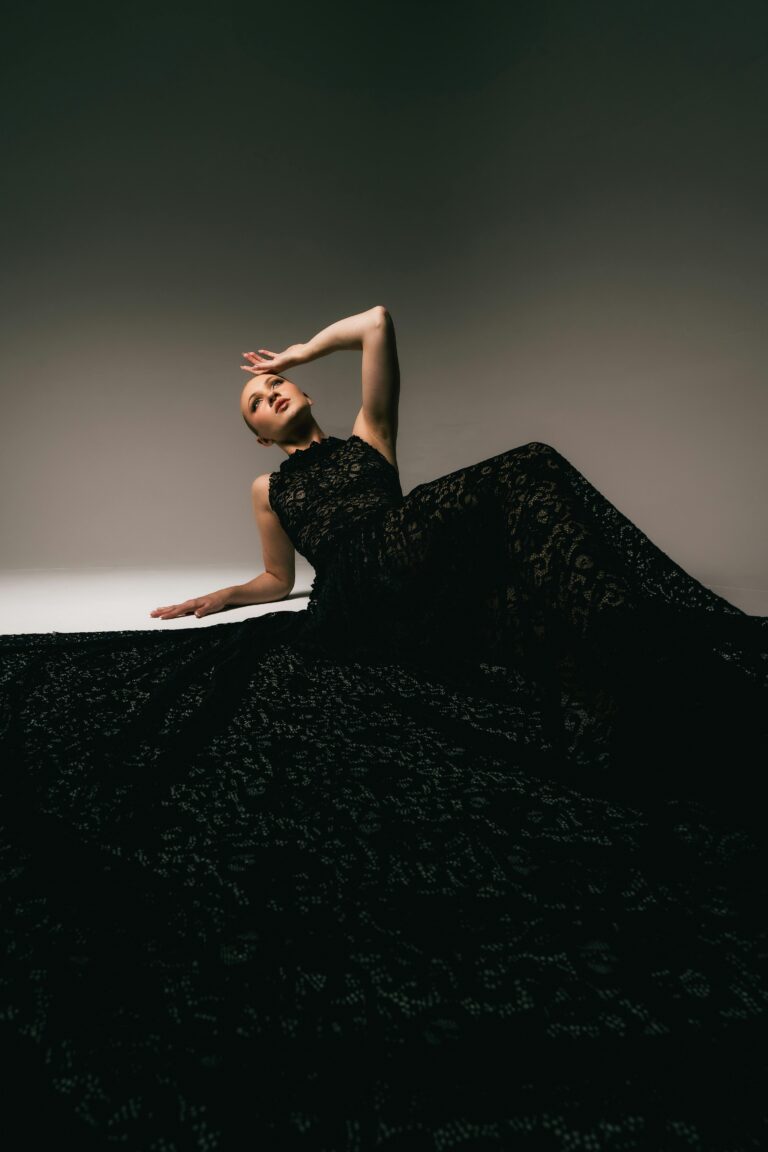
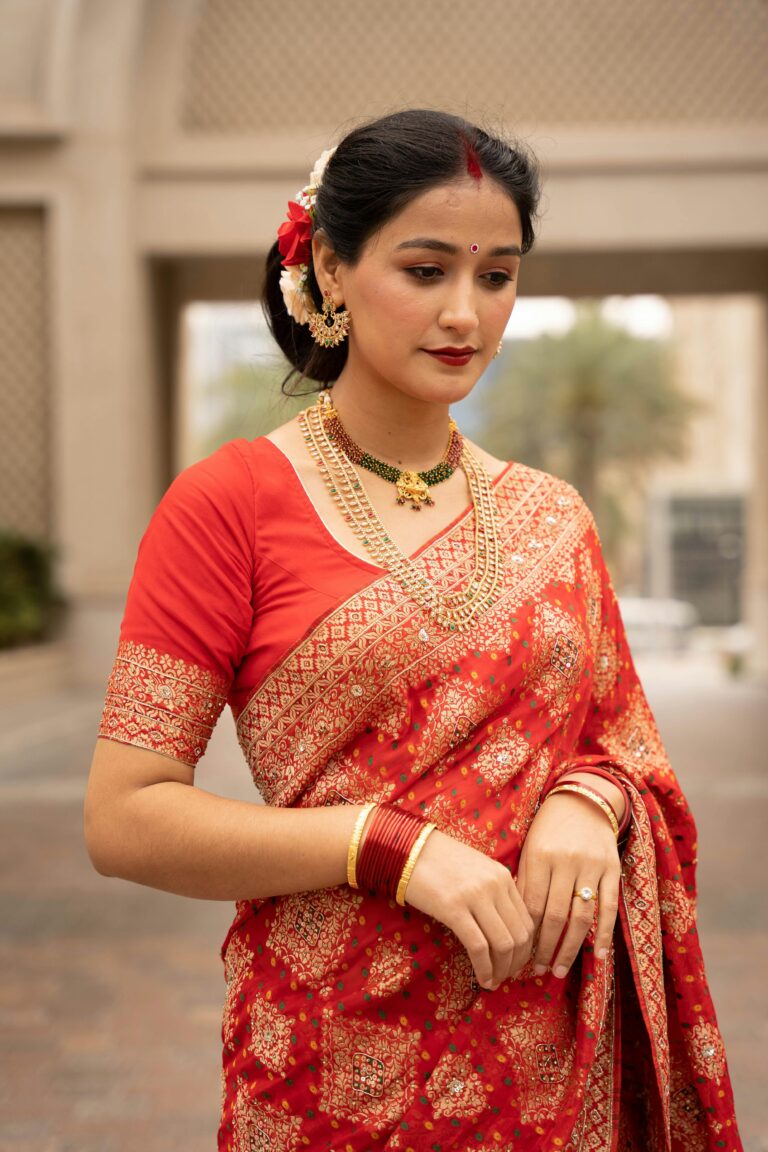
Covering: A Choice or a Consequence?
Let’s be clear: I don’t believe much in covering yourself when all the reasons come back to managing the male gaze. There is a difference between creating a boundary and hiding. A boundary is an act of will. Hiding is something we are forced to do. So when we talk about concealment in fashion, we must ask a hard question: Is it a personal choice, or is it the only choice left when society refuses to manage the male gaze?
The illusion of choice is powerful. It is shaped by a lifetime of social, cultural, and family conditioning, where covering is normalised as the only route to dignity. Women who cover are seen as having more self-respect, their status elevated by “reserving” themselves for their husbands. Society first conditions women to see this as necessary, and only later calls it their “choice.” But if you have always seen the same thing, if the alternative has never been presented as valid, what choice are you really going to make?
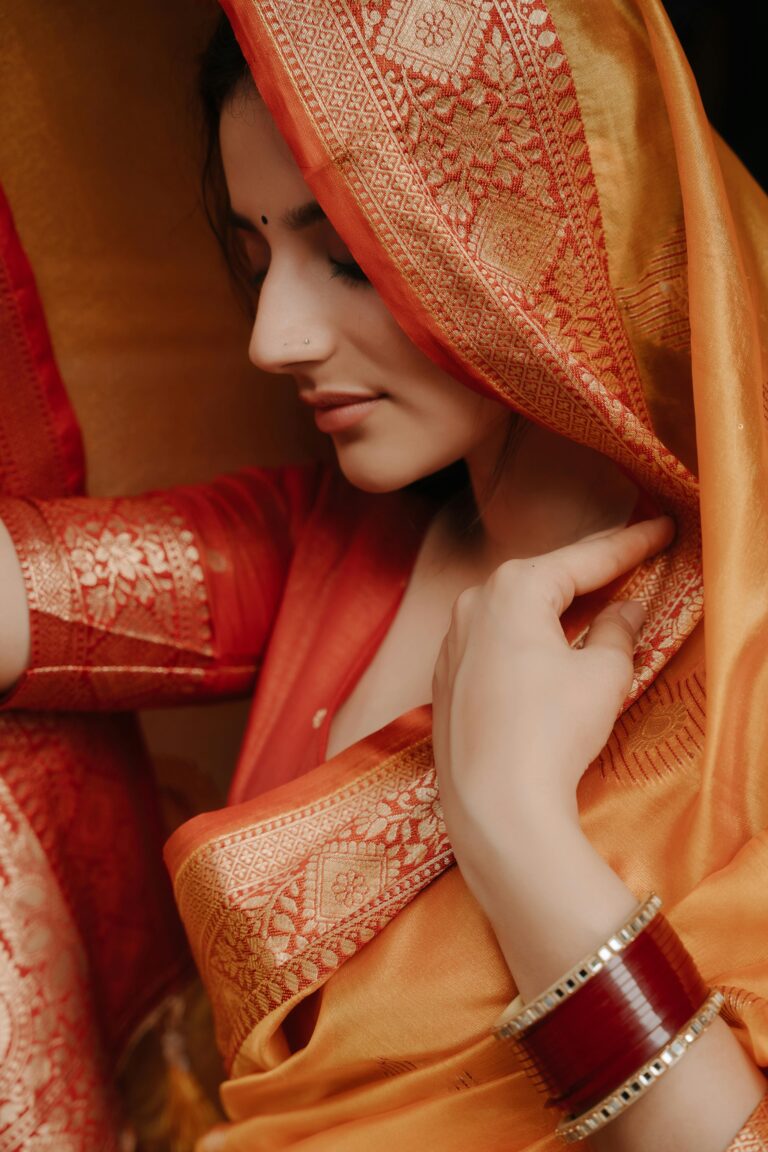
The cultural narrative of the Indian ghoonghat is often framed as a “fluid boundary,” a symbol of modesty that a woman controls. But historical evidence complicates this claim. The practice, mostly seen in the northern belt of India, has a darker history. While ancient texts mention veils like the Uttariya as a form of modesty or style, over the centuries, patriarchal systems reshaped them. During invasions, it intensified; women’s bodies became battlegrounds from the horrors of Partition to the Bangladesh Liberation War, and always the burden of protecting “honour” fell upon women, enforced through the veil. It became a system that, as some critics have noted, can render a woman blind, deaf, and mute.
This logic did not remain confined to one region. Many religions teach women to cover themselves to be “protected” from men. This is a subtle but profound act of psychological violence. It externalises responsibility for men’s behaviour and places it squarely on the female body, framing her very existence as a problem to be managed. The unspoken message is that a man’s desire is uncontrollable, but a woman’s body must be disciplined. This conditioning leads to internalised shame, body objectification, and real-world consequences like fewer job opportunities and restricted freedom. It creates a toxic justification: if a woman doesn’t cover, she has implicitly permitted men to stare and harass.
Even in the modern, secular world, this dynamic persists. Women are constantly judged: if they cover, they are “overly conservative”; if they reveal, they are “too provocative.” The problem is always placed on their bodies, never on the eyes of society.
The central paradox is that many women who cover themselves genuinely report feeling empowered. Empowerment doesn’t always mean breaking free from all constraints; sometimes it means negotiating with them. For some, covering shifts the focus from their body to their personality and intellect. For others, it becomes a powerful expression of cultural or religious identity, a source of belonging and pride.
But this brings us back to the question of choice. A true choice requires an environment free from stigma, shame, or threat, an environment where a woman is free to simply be. Any decision made outside of that is not a free one; it is a calculation shaped by consequences. And one of the biggest influences is family, and what the family thinks about it.
Before we celebrate concealment as empowerment, we must examine where it came from and what its effects are. Is it a choice, or is it the only way many women feel safe and respected in the world? The answer is not simple. It is blurred, rooted in a long history of psychology, sociology, and power. The question stays open.