Who Really Invented Sustainable Fashion?
When the term “sustainable fashion” is celebrated on a Paris runway, a quiet dissonance settles in. Is this a real shift, or is it just the industry doing the bare minimum and taking the credit? Brands know that most people don’t care about what is happening miles away. They can launch a “conscious” collection with fanfare, making it feel like a new sun has been born, even when it’s just 1% of their business, a gesture meant to look responsible.
The H&M Conscious Collection was even found to have only a small fraction of pieces that met its own environmental standards. True sustainability requires slowing production, reducing waste, and ensuring fair labor. None of these choices protect a company’s profit.
Part of this confusion comes from the way we talk about “modern pioneers.” A designer like Stella McCartney didn’t invent sustainability, but she played a crucial role in pushing it into the luxury spotlight. She refused leather, fur, and feathers, proving that cruelty-free fashion can hold its place in luxury. She used organic cotton, recycled polyester, vegan leather alternatives, banned PVC and single-use plastic, pushed renewable energy, and insisted on transparency across the supply chain. She made sustainability feel like a status symbol by proving that luxury can be ethical and still justify its price.
But challenges remain. Many vegan alternatives rely on plastics that release microplastics, and while she refuses animal leather, she still uses silk from silkworms. She is far ahead of many of her peers, but you still can’t say her brand is totally sustainable. She is always trying, and that effort matters. It is not the origin story.
The real story of sustainability, the one lived for millennia, is rarely acknowledged. True wisdom already existed in the quiet practices of reuse and reverence.
Across the world, ancestral practices prove this. In Japan, the philosophy of Boro sees a garment mended over and over until it becomes a patchwork of history. It embodies wabi-sabi: perfection in imperfection, resilience stitched into cloth like a person carrying their scars and still growing.
In India, the tradition of Kantha turns old sarees into new blankets. Women stitch their love, their days, and their stories into fabric. The motifs: daily objects, nature, mythology, become storytelling passed from woman to woman.
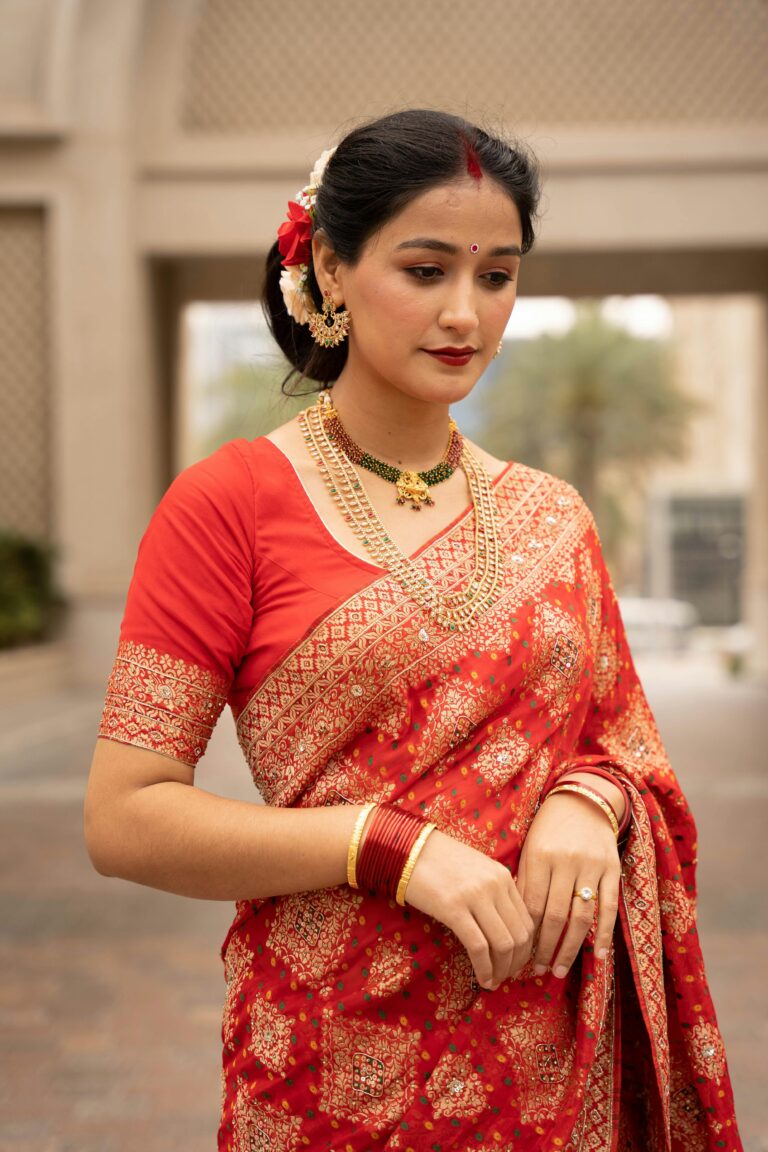
These practices are not trends; they are rituals. Vintage shopping is often driven by aesthetics. But the ritual of a bride wearing her mother’s wedding saree is different. It is an act of connection, a transference of history. One is a transaction. The other is a story. And the ultimate failure of the modern fashion industry was allowing consumption to erase memory.
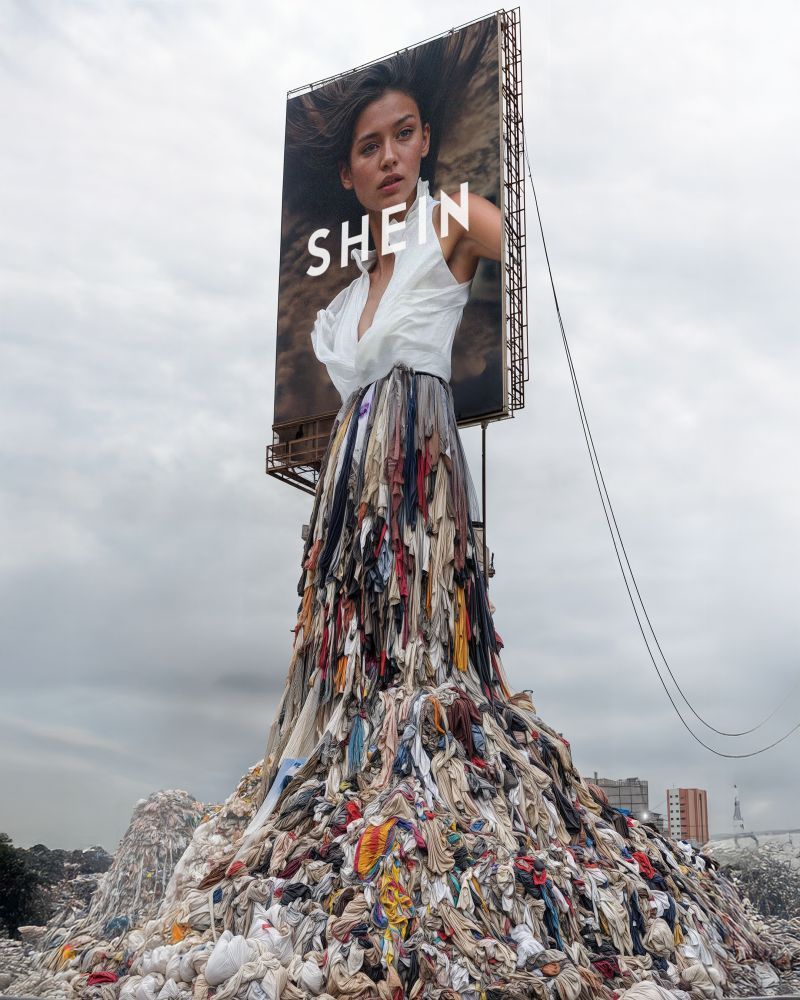
Fast fashion made this forgetting faster. It offered “style democracy” with an invisible human cost. Its greatest sin wasn’t only the environmental devastation. Cotton drains water, and synthetic fibres will never biodegrade. Its true damage was the erasure of memory. We lost the connection to the person who made our clothes and the understanding of their value.
A new trend arrives every week, and we are encouraged to buy, post a picture on Instagram, and believe we can’t wear it again. This endless cycle prevents the formation of a personal style at all. The desire for something new is never satisfied, because there is always something new.
This creates a flawed binary. Either you buy from expensive ‘ethical’ brands or you are framed as part of the problem. But fashion shouldn’t be a privilege. A person who buys one fast-fashion piece and wears it for years lives more sustainably than someone who over-consumes from “green” brands just to flaunt a hashtag. Even when we try to do the right thing, the system works against us. Most of our donated clothes still end up in landfills.
The term “sustainability” may feel modern, rising during the 80s, with “slow fashion” only coined in 2007, but the practices are ancient. Allowing the West to package and monetise this global wisdom has a cultural cost: the erasure of the authentic story. I don’t know the precise future of sustainability, but I know it lies in going backwards to move forward. It lies in small rituals: having a personal style so you are not swayed by every trend, setting a yearly budget for clothes, and learning to mend a small tear.
These rituals were always in my own family, mending clothes, buying fewer pieces but buying them well. I never saw it as a “movement”; it was just life. Even now, I fight my own fleeting urges. I am not a monk. I still end up on shopping websites, adding things to my cart. But I stop. Sometimes I feel like a fool among my friends for spending more on a single garment, but I feel better for myself. I am escaping the endless capitalist cycle to buy pieces I will truly cherish.
Sustainability is not about who invented it. It is about who is still living it. It is about the energy we choose to wear. If you wear a garment made from the sweat of workers who are cursing the system while they make it, who cannot care for themselves, who are trapped and losing their lives for that garment. What energy are you wearing?
The question isn’t who invented sustainable fashion. The real question is: who still remembers how to live it?