Timeless Fashion and the Illusion of Permanence
When a brand whispers “timeless,” it feels like a promise of freedom: a garment you can wear anytime, anywhere, untouched by trends. Something that sits above fashion cycles, immune to silhouettes shifting in and out of favor. But the moment you look closely, that promise starts to fracture.
Take the white T-shirt, often held up as the purest example of timelessness. One decade it is fitted, the next boxy. Then cropped. Then oversized. The essence lingers, yes, but the fit, structure, and proportions keep changing with every trend cycle. If a garment constantly reshapes itself to survive the moment, can it still be called timeless? Or is it simply being reintroduced again and again, wearing the same face but a different body, making last year’s version quietly feel outdated?
In theory, timeless fashion should exist above trends. It should not bend itself to oversized or body-hugging silhouettes, to straight cuts or relaxed drapes, just because the industry has moved there. If timelessness exists at all, it should be consistent and institutionally stable, not responsive to seasonal fashion moods.
Yet “timeless” has become the industry’s favorite myth.
The word is used carelessly, often strategically, to encourage consumption under the disguise of elegance, quiet luxury, and good taste. A limited set of garments are granted this label, not because they are immune to fashion cycles, but because they are commercially safe. These pieces are endlessly reworked, subtly refreshed, and repeatedly marketed so that they never disappear. They are inventory that will not fail. When trends do not sell, these categories will. Timelessness, in this sense, is not a design philosophy. It is an engineered commercial trap.
The cycle is subtle. A garment is slightly altered, its silhouette updated, its styling reframed, its proportions adjusted to current tastes. It is introduced again through editorials, campaigns, and runways. Consumers see it everywhere and begin to believe it is universally wanted. Over time, repetition creates familiarity, and familiarity is mistaken for permanence. What is constantly reintroduced starts to feel eternal.
But repetition alone is not timelessness. If a garment survives only because it is continuously re-marketed, reinterpreted, and aligned with current trends, it is not timeless. It is simply persistent.
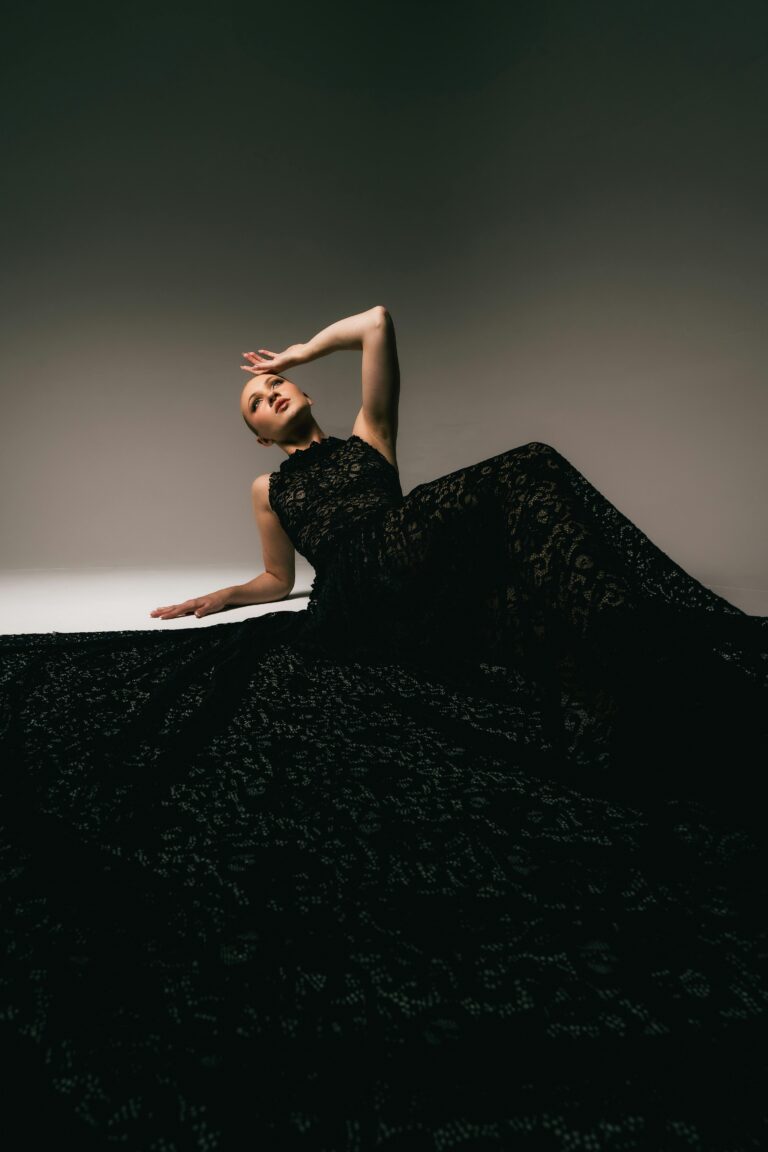
Consider the camel coat, often described as a classic investment. Its warm neutral tone, its association with refinement, its promise of durability and versatility are endlessly praised. Fashion history credits figures like Audrey Hepburn, and luxury houses such as Dior, Chanel, Burberry, and Max Mara with cementing its status. It signals upper-class ease, authority, and restraint.
Yet its form has never been fixed. In the 1950s it was sharply tailored. In the 1970s, relaxed. In the 1990s, minimal. In the 2000s and beyond, oversized. The color remains. The name survives. But the structure, drape, and styling evolve continuously. What is sold as timeless is not a static garment. It is a category kept alive through controlled reinvention.
This raises a deeper question: why are these garments allowed to be timeless?
Only a narrow set of Western-origin garments are positioned as universal classics. The Eurocentric fashion narrative places Western silhouettes at the center of elegance and investment, framing them as relevant anywhere in the world. This belief operates much like English being treated as the default international language, or the assumption that cultural legitimacy flows outward from Europe and the United States.
Luxury conglomerates pour billions into supply chains, fashion weeks, retail, and global marketing infrastructure centered around Paris and Milan. These cities continually revive the same garments, ensuring their visibility and relevance. Non-Western clothing, by contrast, lacks this institutional reinforcement. Colonial trade histories favored European textile economies, while global fashion education taught Western structure as a symbol of power and progress. As a result, other forms of dress are often perceived as emotional, sentimental, or cultural, but not aspirational.
Traditional garments from the Global South, despite being worn for centuries, are frequently labeled ethnic, occasional, or trend-based. This is not because they lack history or adaptability, but because they lack narrative power in global fashion discourse. Trench coats began as military gear. Denim as workwear. The little black dress as mourning attire. These garments were not inherently iconic. They were made iconic later. Their symbolism was constructed, institutionalized, and taught.
Eurocentrism does not only shape what is sold. It shapes how fashion history is written and how value is assigned. Western change is framed as evolution. Non-Western continuity is framed as stagnation. Scarves become Scandi chic when styled in Europe, yet are framed as confinement when associated with South Asian women. Indigenous prints are rebranded as boho aesthetics, stripped of context, while original designers are pressured to dilute heritage to fit Western taste.
In this system, timelessness becomes less about form or function and more about symbolism. Certain garments come to represent class, authority, restraint, or power, not because they are universally relevant, but because they are institutionally supported as such.
And yet, timelessness does exist, just not in the way the industry defines it.
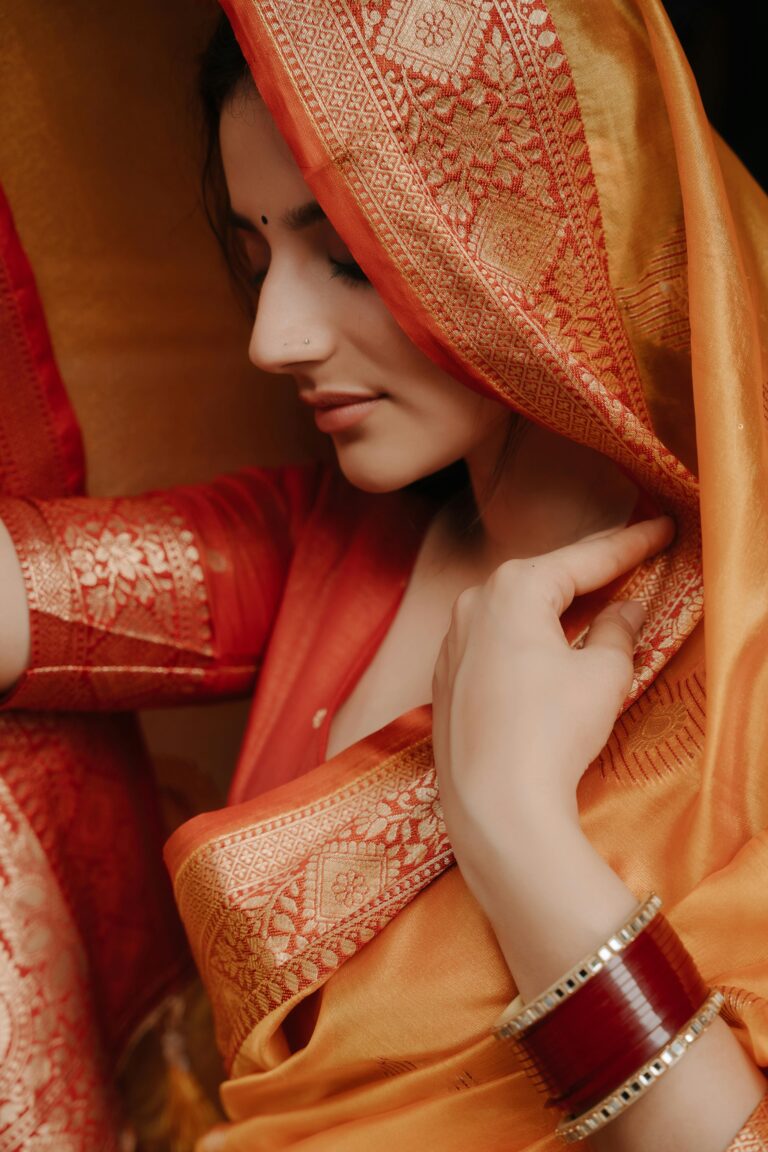
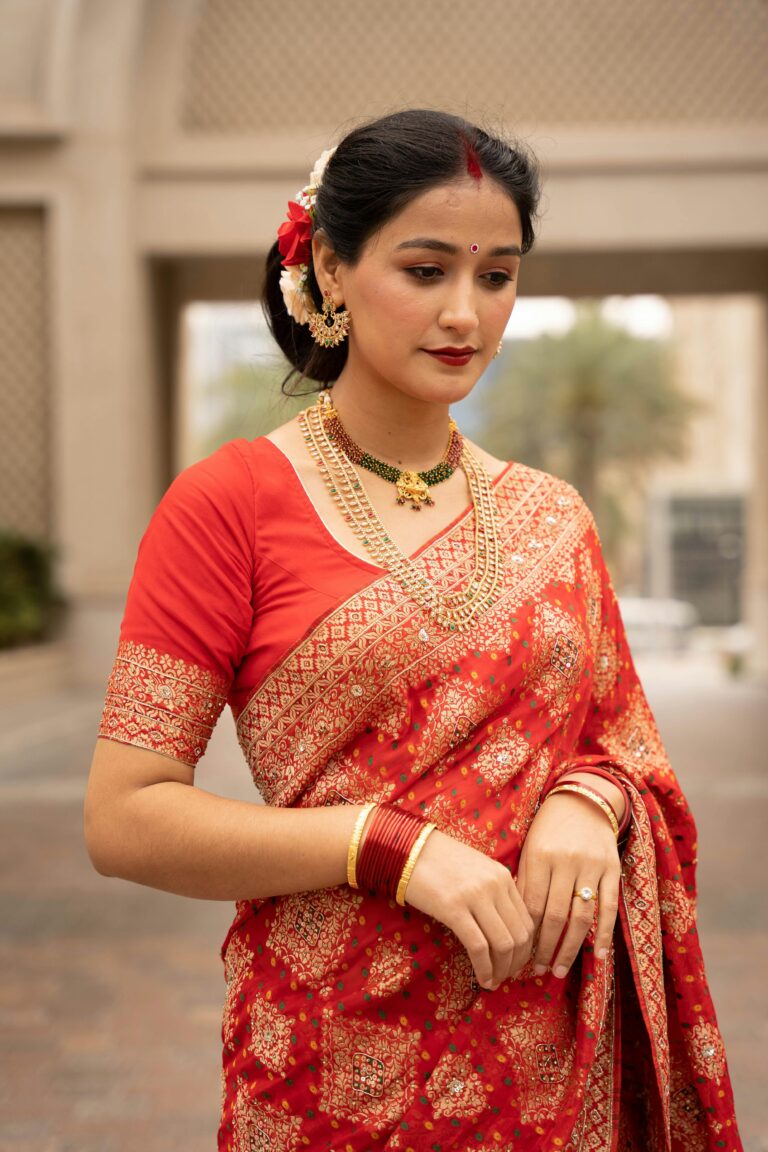
Within cultures, garments can be timeless in context. A saree is timeless within Indian culture, not because it is globally dominant, but because it carries continuity of meaning. Timelessness, here, depends on where and how the question is asked.
On an even more personal level, timelessness becomes something else entirely. A garment becomes timeless not because it resists trends, but because it resists replacement. A mother’s dupatta worn during childhood festivals. A concert T-shirt kept long after it no longer fits. These pieces are not updated, reinterpreted, or marketed back into relevance. Their value lies in memory, emotion, and personal history. They are not worn to signal taste, but kept as fragments of self.
This is where the myth finally unravels.
Timeless fashion, as sold to us, is not timeless. It is curated, reinforced, and repeated until it feels inevitable. The garments we are told will last forever often last only because they are never allowed to disappear. What endures naturally through culture, ritual, or personal meaning rarely needs branding.
So the question remains open. What is timeless, really? Is it something inherent in structure and form, or something orchestrated, taught, and sustained by power?
And if timelessness must be constantly updated to survive, was it ever timeless to begin with?