The Styling Habits That Will Outlast Every 2026 Resolution
Why Style Resolutions Fall Apart So Quickly
Every New Year arrives with the same promise around clothes. This year I will dress better. I will look more put together. I will finally figure out my style. The intention is sincere, but the plan is often too loud for real life.
Most style resolutions fail not because people do not care, but because they expect motivation to carry daily dressing. Motivation works for a few days. Dressing happens every day. When mornings become rushed and life settles back into routine, effort collapses.
The issue is not taste or wardrobe size. It is the absence of small systems that support how people actually get dressed. Style becomes easier when it stops asking for reinvention and starts working with repetition, routine, and ordinary days.
That is where style habits matter. Not dramatic changes. Small adjustments that quietly remove friction.
Why Small Styling Habits Matter More Than Big Changes
Good style is rarely built on standout outfits. It is built on reliable bases, repeatable silhouettes, and a few decisions already made before you open your wardrobe.
These habits do not ask you to buy more clothes or become someone else. They help you use what you already own more intelligently. They focus on structure, rotation, and visual clarity rather than inspiration. Think of them as shifts that make your wardrobe easier to live with.
Habit 1: Deciding Tomorrow’s Outfit
Before going to sleep, decide the base of what you will wear the next day. Not the full look. Just the main pieces. A top and bottom. A dress. A layer.
This does not require planning or precision. Even pulling out one piece is enough. The goal is to give your brain a starting point before the morning rush.
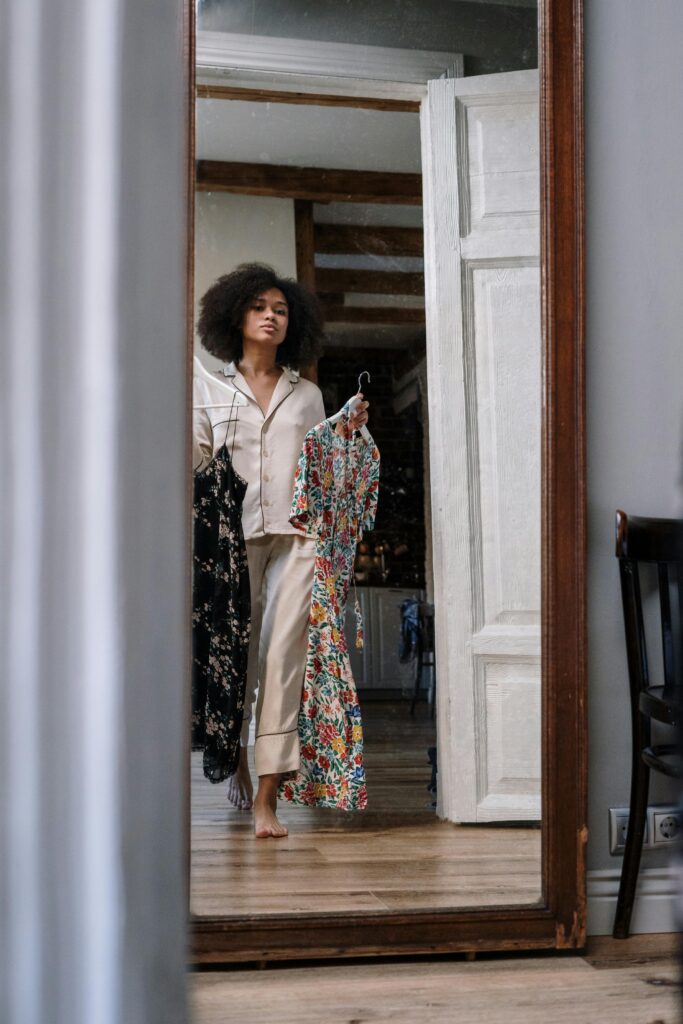
This habit works because it moves the heaviest part of dressing away from the most stressful time of day. In the morning, outfits usually fall apart not because nothing works, but because everything is an option. When the base is already decided, dressing becomes styling instead of searching.
Over time, this builds confidence in reading your own wardrobe. You begin to understand which pieces work together without having to think so hard.
Habit 2: Repeating the Outfit
When an outfit works, wear it again.
Many people avoid repeating outfits because it feels lazy or obvious. In reality, repetition is how style becomes clear. Repeating silhouettes, colour combinations, and outfit formulas creates consistency. Consistency is what makes an outfit look intentional.
Choose a few outfits that fit your body well, suit your lifestyle, and feel comfortable and confident. Repeat them without guilt. Let them become familiar.
This habit reduces decision fatigue and strengthens your sense of personal style. You stop chasing newness and start trusting what already works.
Habit 3: Having a Safe Outfit
A safe outfit is not the same as a signature outfit. A signature outfit represents you. A safe outfit supports you. This is the outfit you rely on when you are tired, rushed, or mentally overloaded. It should be comfortable, flattering, and neutral enough to move across situations without friction.
The strength of a safe outfit is versatility. Shoes, jewellery, or hair should be enough to shift its mood. You should be able to move through different parts of the day without needing a full change.
Having one reliable option removes panic from dressing. When everything else feels chaotic, you already know what to wear.
Habit 4: Changing One Thing
Most outfits do not need to be rebuilt. They need one adjustment. When something feels unfinished or dull, change one element. Shoes instead of sneakers. A sharper layer. Stronger accessories.
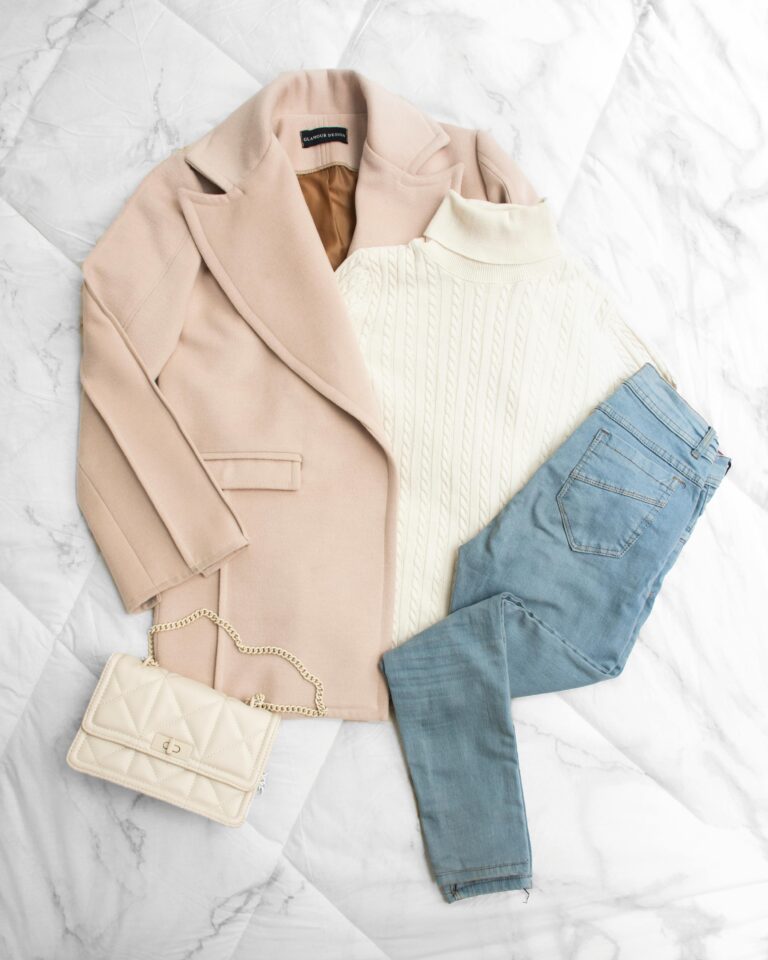
Jeans and a t shirt are neutral. Add loafers and the outfit becomes polished. Add a structured blazer and it shifts again. The base stays the same. The styling does the work.
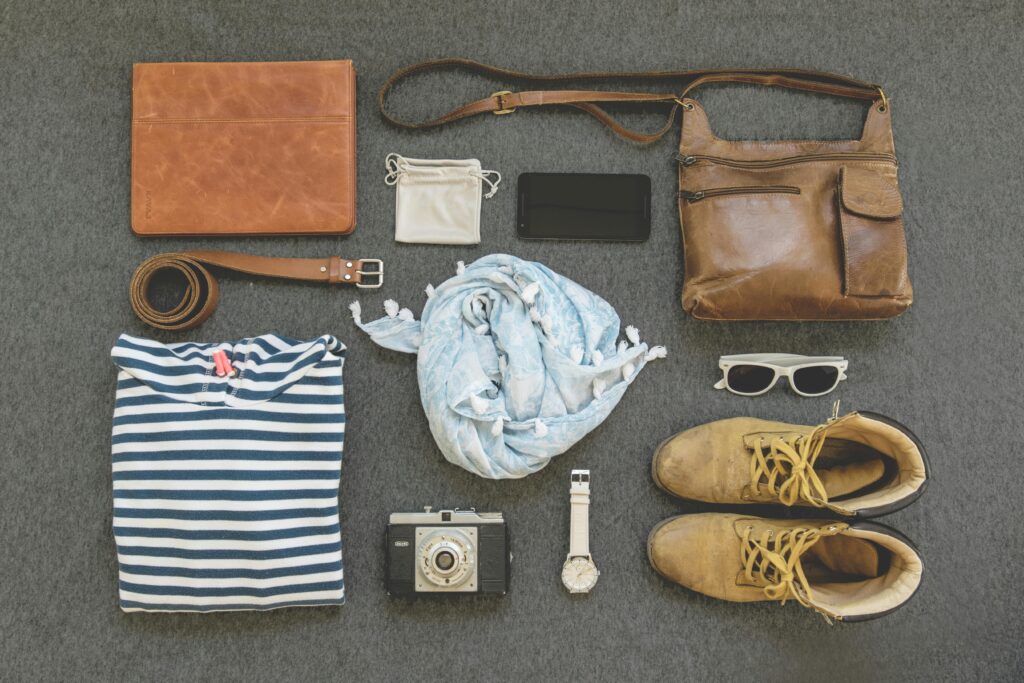
This habit trains your eye. You start noticing which pieces carry visual weight. Over time, you learn how to adjust outfits quickly without overthinking or starting from scratch.
Habit 5: Dressing for What Matters Most
One of the biggest reasons outfits feel wrong is trying to dress for everything at once. Work, errands, social plans, possibilities. Instead, dress for what matters most that day. The main role you are stepping into. The place where the outfit actually needs to perform.
Once that is clear, decisions become simpler. Adjustments can always happen later if needed. Starting with the most important context prevents compromise outfits that feel half right everywhere. This habit restores clarity to daily dressing.
Habit 6: Rearranging Your Closet
You wear what you see.
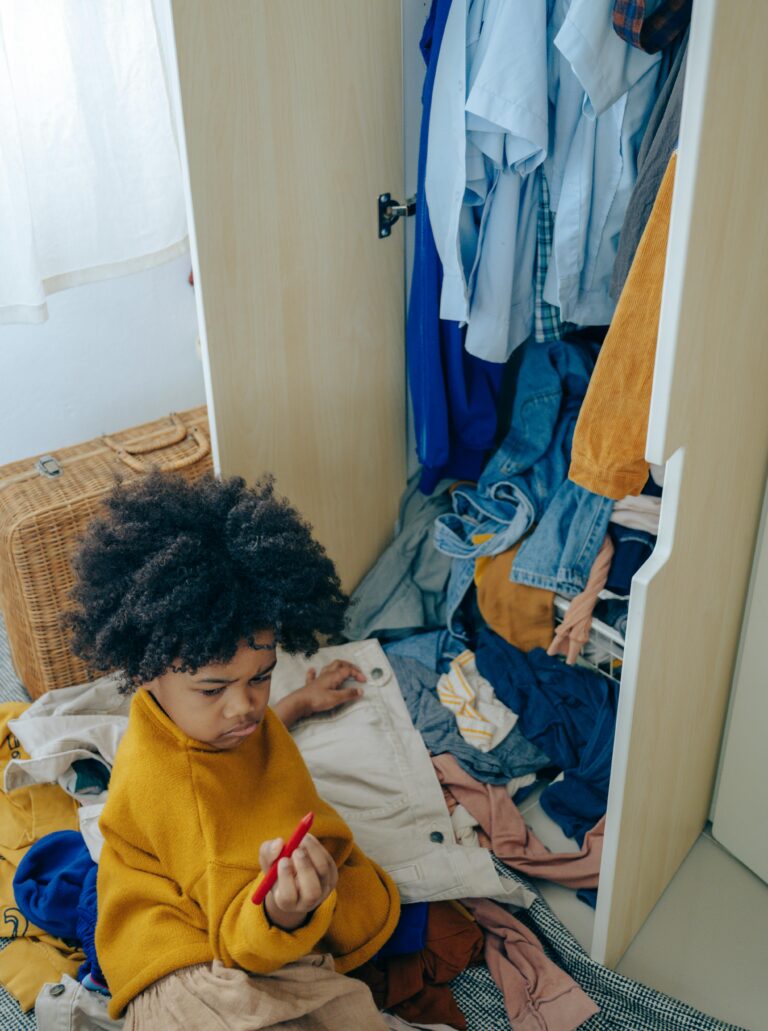
In many closets, the most visible space is taken up by clothes meant for special occasions or pieces worn rarely. Everyday clothes are pushed aside.
Rearrange your closet so the clothes you actually wear sit at eye level. Group tops, bottoms, layers, and accessories in a way that makes outfit building visual rather than mental.
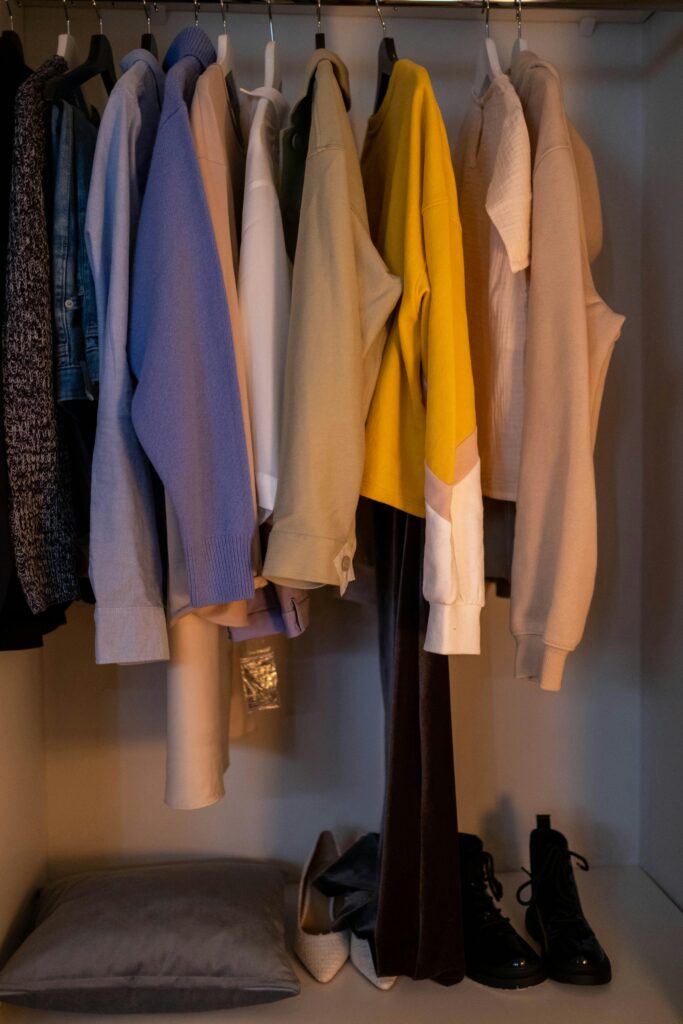
This is not decluttering. It is prioritising visibility. When the right clothes are easy to see, outfits come together faster and shopping decisions become more intentional.
Making These Habits Stick
These habits work because they fit into real routines. Deciding outfits at night. Resetting the closet after laundry. Repeating what already works instead of forcing variety.
You do not need to adopt all of them at once. Start with one. Let it settle. Notice how it changes the way you get dressed. Then add another.
Style becomes easier when it functions as a system rather than a performance. These habits do not change who you are. They make it easier to show up dressed like yourself.