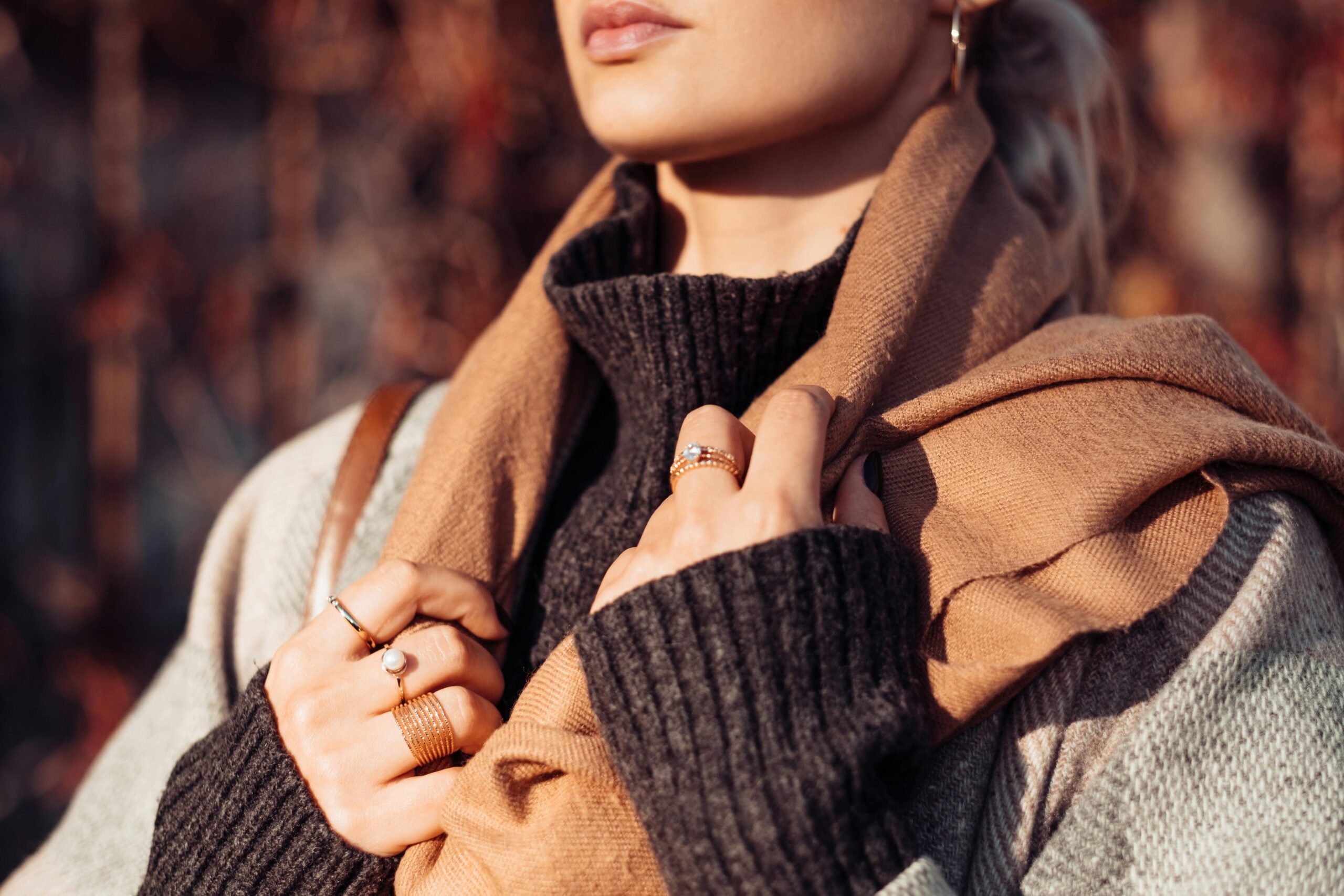
How to Layer Clothes Like a Stylist (Without Looking Bulky)
The Fine Line Between Piling On and Polishing
We’ve all seen them: the effortlessly chic women who navigate the coldest days looking polished and sleek, seemingly unburdened by their layers. And we’ve all wondered: how do they do it? Isn’t layering just piling on more clothes to survive the cold?
The common mistake is to treat layering as a desperate defence against the weather, a process that often ends in a bulky, shapeless silhouette that drowns the body. But a more intelligent approach exists. Layering is a sophisticated styling technique.
Yes, it provides physical warmth, but it can also provide an emotional one. The soft fabric of a good knit sends the same tactile signal to your brain as a warm hug — making you feel safer and calmer in a cold world. When done well, layering is the key to looking fashionable, put-together, and stylish, no matter the temperature.
The 4 Principles of Effortless Layering
The Foundation: Start with a Second Skin
The first non-negotiable rule of sleek layering begins with your base layer: your thermals. This piece must be thin, smooth, and close-fitting. Think of fine-gauge thermals or bodysuits in neutral tones that disappear seamlessly under your clothes.
This piece is your secret weapon. It provides the essential warmth that allows you to be more creative with your subsequent layers, creating a sleek canvas so that everything you wear on top drapes beautifully without added bulk.
The Contrast: A Dialogue of Textures and Weights
A stylist’s secret is to create a dialogue between contrasting textures and a clear progression of fabric weights.
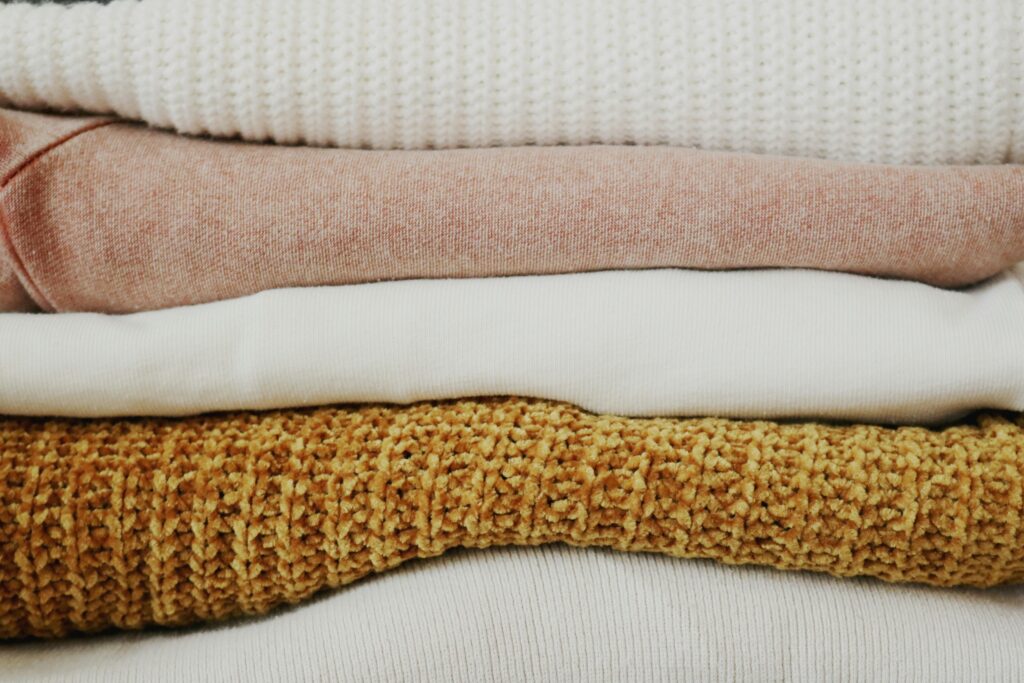
Vary Your Textures:
Layering one chunky knit over another creates visual bulk. Instead, create contrast to trick the eye into seeing rich detail, not volume. Chic combinations include a ribbed knit under a smooth leather jacket, or buttery-soft cashmere paired with structured wool.
Progress Your Weights:
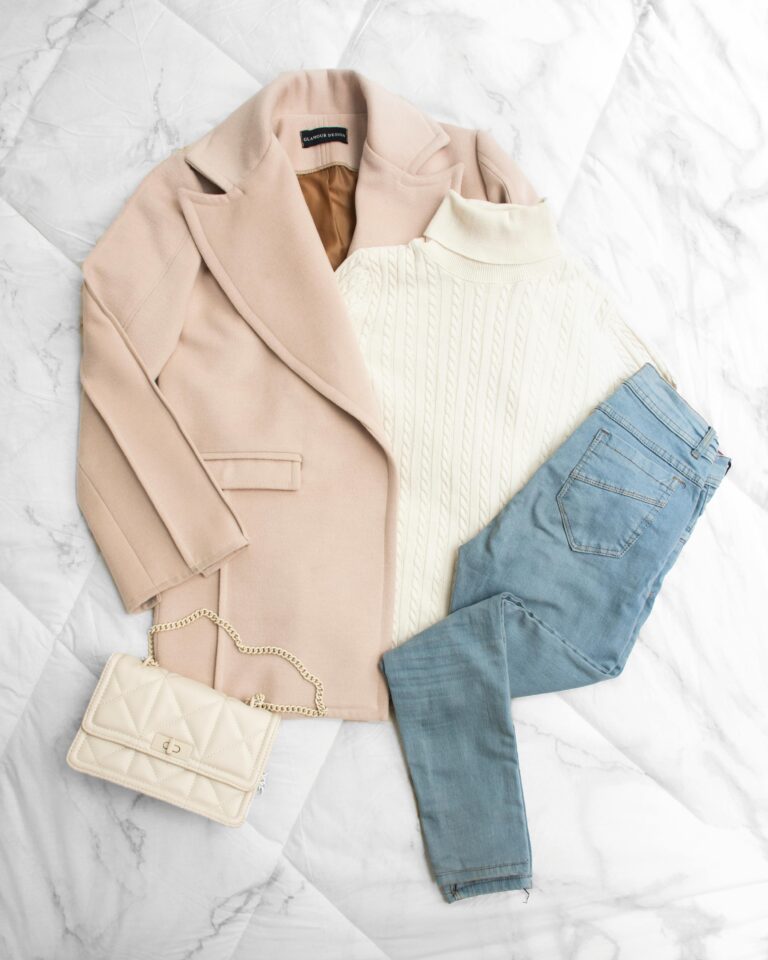
Your layers should progress in weight from the inside out. Start with your lightest fabric against the skin, move to a medium-weight piece like a cotton shirt or cashmere sweater, and finish with your heaviest, most structured piece, like a wool coat. This natural progression ensures the layers sit neatly without compressing each other.
The Silhouette:
Master Your Proportions A common mistake is to wear loose layers that all end at the same point, creating a single, boxy shape. The solution is the Rule of Varying Lengths. The more inner a piece is, the closer it should be to the body.
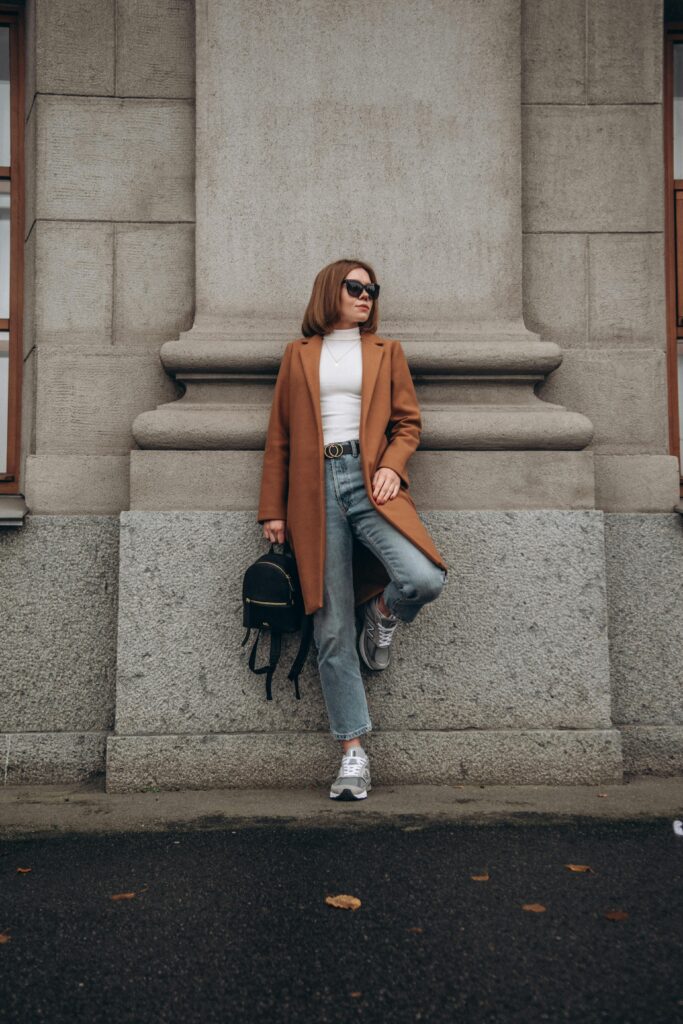
The more outer a piece is, like a coat, the broader it should be to accommodate everything underneath without pulling or straining. By staggering your hemlines, such as a tucked-in shirt, a hip-length sweater, and a long coat, and defining your waist with a belt or a tuck, you create an architectural silhouette with fluid movement. This also makes your wardrobe more versatile and fun.
The Finisher:
Add a Final Piece for Polish In winter, we often wear more than three pieces, so the popular ‘Third Piece Rule’ evolves. We call it the Finisher. This is the final piece added beyond your essential base layers, the one that gives personality and signals true intention. It is what creates the difference between being simply “dressed” and being “styled.”
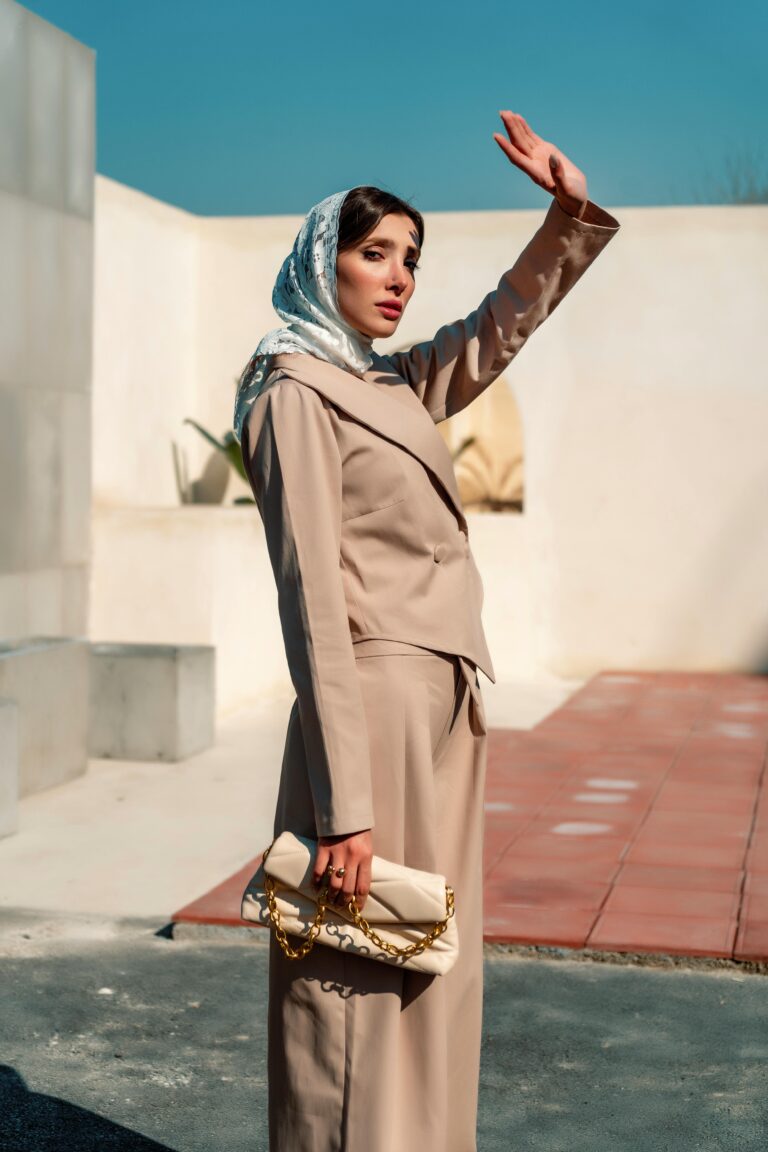
This finisher could be a beautiful coat, a sharp blazer, or a luxurious scarf that ties everything together. Adding this final, deliberate piece is an act of self-presentation aligned with identity and purpose, transforming a simple outfit into a cohesive look.
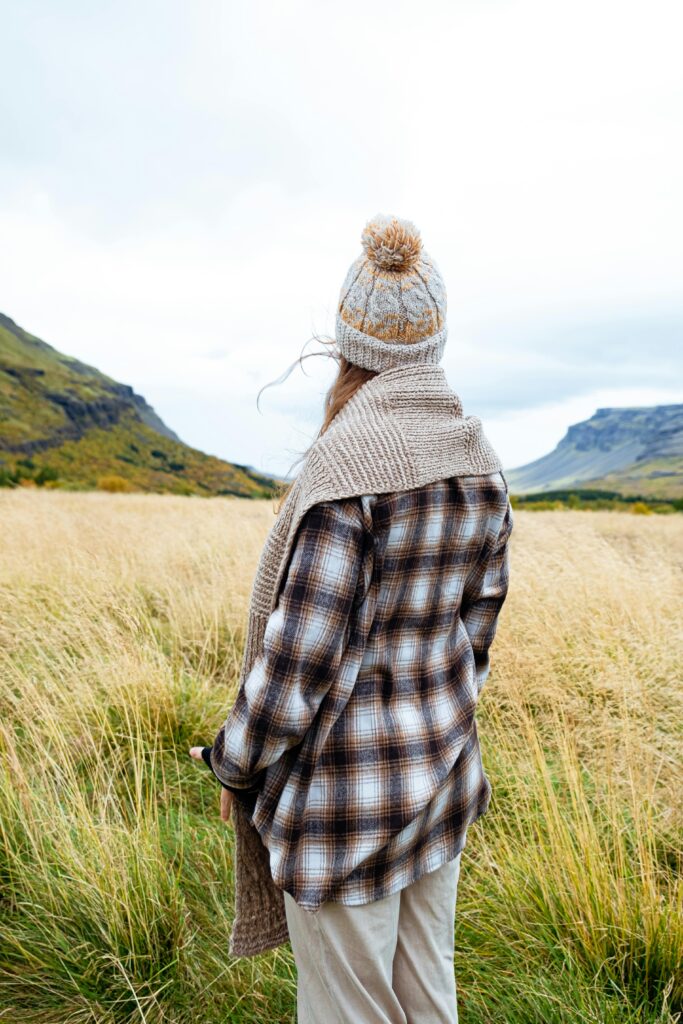
From Defence to Dimension: The Future of Layering
The old, flawed model of layering is that it’s just about piling on clothes for warmth. The core misunderstanding is in forgetting to make those layers work together. Layering is not just a defence against the cold; it is a form of visual storytelling and self-expression, signaling confidence and mindful dressing.
The new, more intelligent paradigm is about dimension; thoughtfully combining shapes, surfaces, and weights so each piece adds depth, not density. Mastering this skill makes your wardrobe more versatile and your personal style more dynamic, proving that you can be protected from the cold while looking effortlessly chic.