The Right to Be Unstyled: In Praise of the Pyjama Day
There are days you wake up emptied of all capacity. The first missing thought is the one that is usually automatic on a weekday: the drive to get ready and face the world. On this day, the thought of choosing an outfit feels impossibly hard.
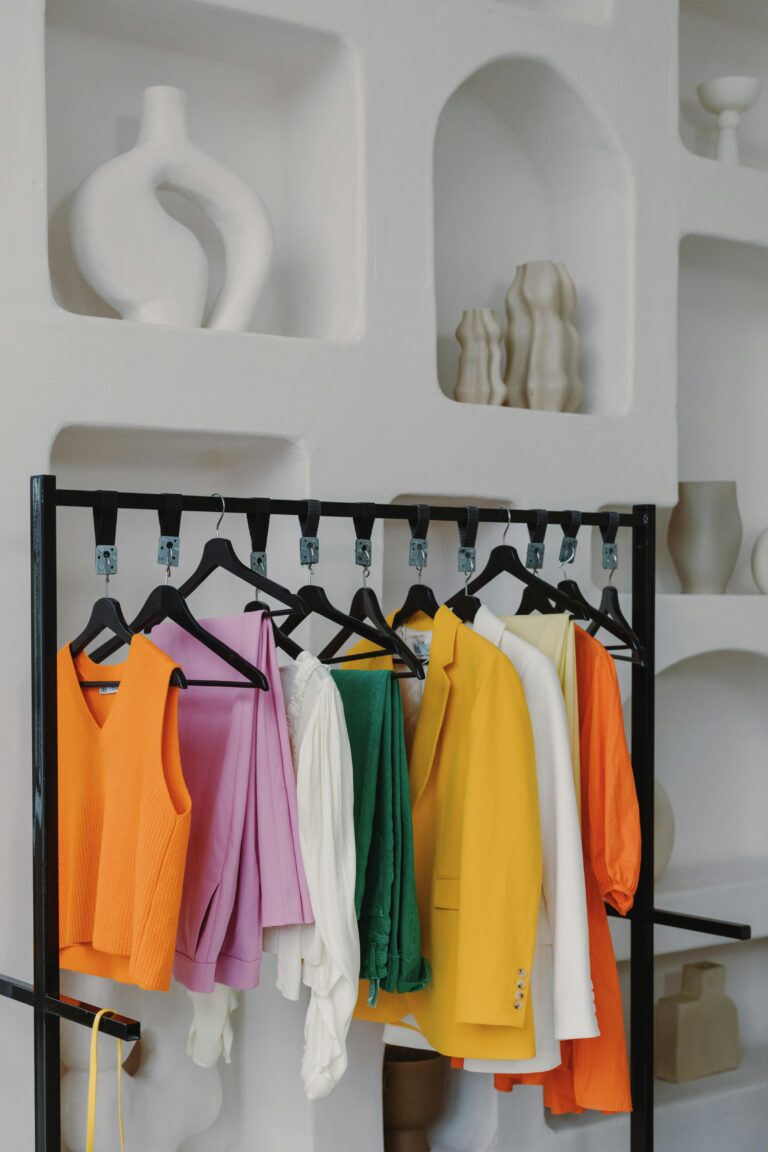
We’re told to always ‘dress up,’ even at home, as if that’s a non-negotiable act of self-care. And there is a powerful truth to this. The act of getting styled is a form of active, outward-facing self-care. It is an intentional choice to engage with the world. But what happens on a day of burnout, when that very desire to engage is gone?
On such a day, the self needs a gentler kind of care. This is where we must expand our definition of style to include the art of Low-Effort Elegance and the right to an honourable, Unstyled retreat.
The Third Way: Low-Energy, High-Comfort Style
On a day of burnout, what we truly need is a form of dressing that doesn’t take a lot of energy but still makes us feel fresh and put-together. This is the art of thoughtful, low-effort style.
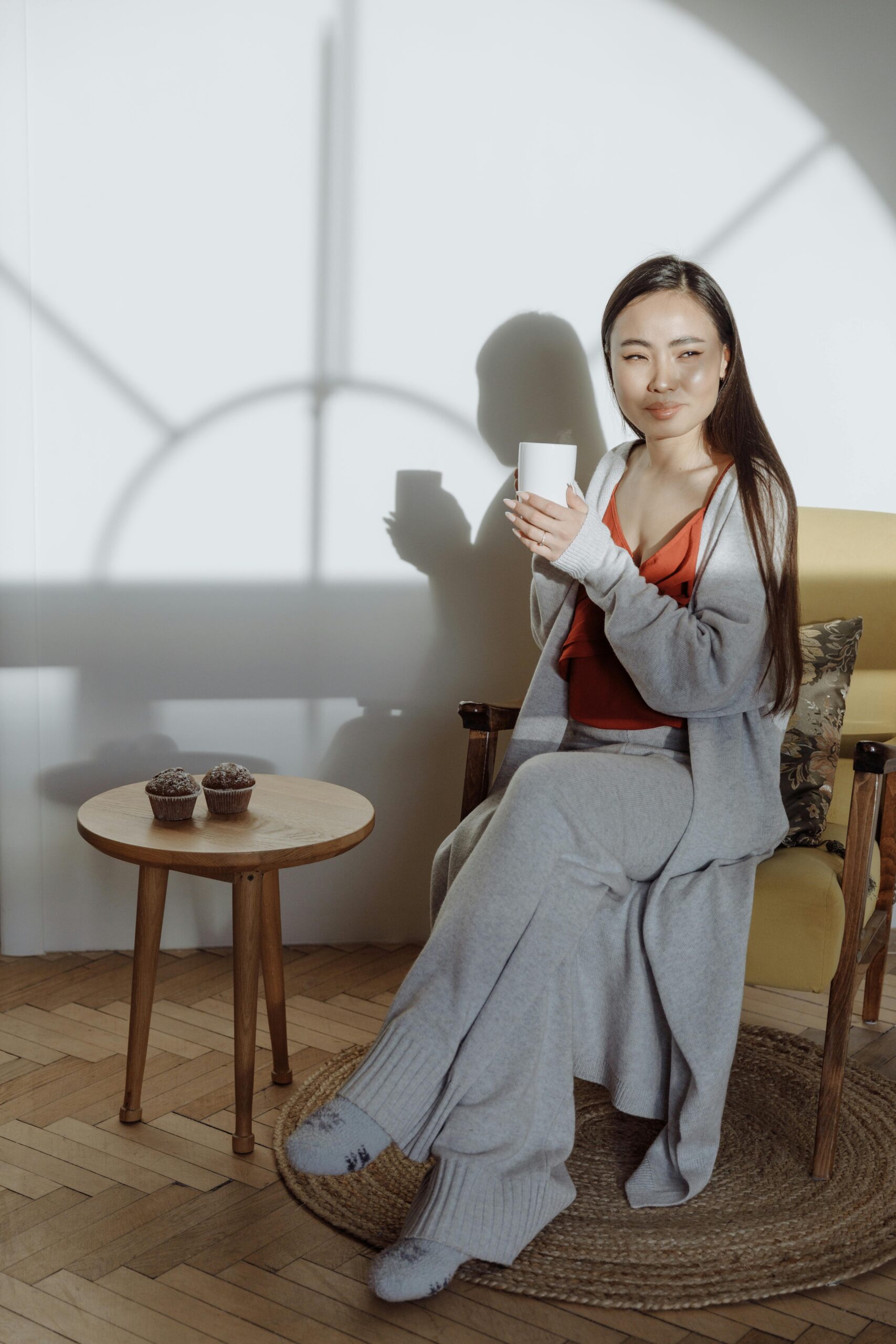
This isn’t about heels; it’s about choosing loungewear with intention. Choosing well-fitting loungewear sets that are neither too loose nor excessively baggy can create a sense of being put together without effort. A minimalist, monochrome co-ord in soft fabric can evoke emotional calm. This low-energy styling is wearapy, a way of using clothes to manage emotion, offering both comfort and regulation.
The Honourable Retreat: The Power of Being Unstyled
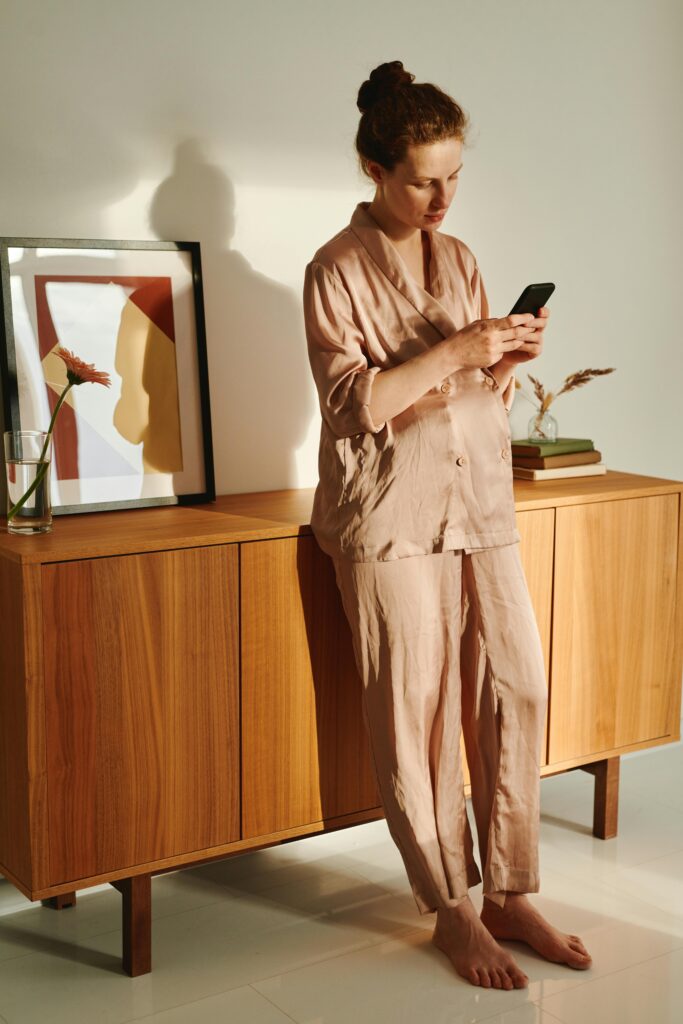
If a styled day is active self-care, then a true “pyjama day” is a form of passive self-care. The uniform for this day is often the oldest, most worn-in t-shirt you own. It feels like part of your body, activating a familiarity bias that grounds you in safety.
This outfit is a psychological shell. It protects you and sends a clear signal to your brain: you have finally got the rest you want. You do not have to fulfil any goal or demand. It is a release from the high-stress environment. You can simply let yourself zone out. The concept of wearapy explains how these clothes actively regulate mood by providing emotional safety, helping to create a state of mental rest. Sleeping through a day isn’t failure; it’s permission when the world feels heavy.
The Critical Distinction: Rest vs. Resignation
It is crucial, however, to distinguish this restorative act from a state of apathy.
Restorative solitude is intentional, it is presence and vital. It is a healthy break that you choose, a time for reflection that replenishes your energy. Apathetic resignation, on the other hand, is a feeling of hollowness, a void that feels heavy and tiring. The difference is how you feel in that stillness: do you feel warm and alive, or cold and empty?
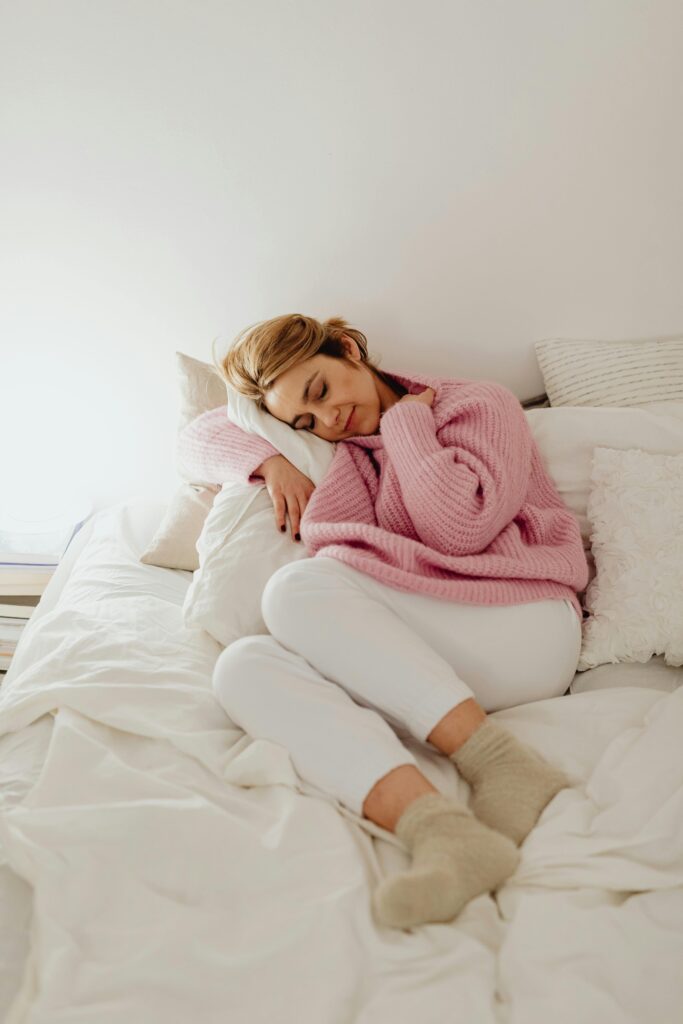
The goal of restorative self-care is to replenish your energy, like gaining XP in a game. Even when the body isn’t tired, the mind can be. During burnout, so much gets depleted: connection with friends, time to ponder your thoughts.
This is where colour and fabric sensory psychology comes in; choosing soft textures and calming colours helps reduce stress and promote relaxation. Rest is not about feeding your brain more content; it can be about just zoning out. If you are constantly taking things in and not letting your brain rest and synthesize all this information, it is of little use.
Conclusion: The Two Sides of Intentional Self-Care
The right to be Unstyled is an honourable retreat from the daily hustle. It is a choice that embodies a deep understanding of your own energetic needs. Ultimately, you can be styled or embrace a Low-Effort approach; the choice is yours.
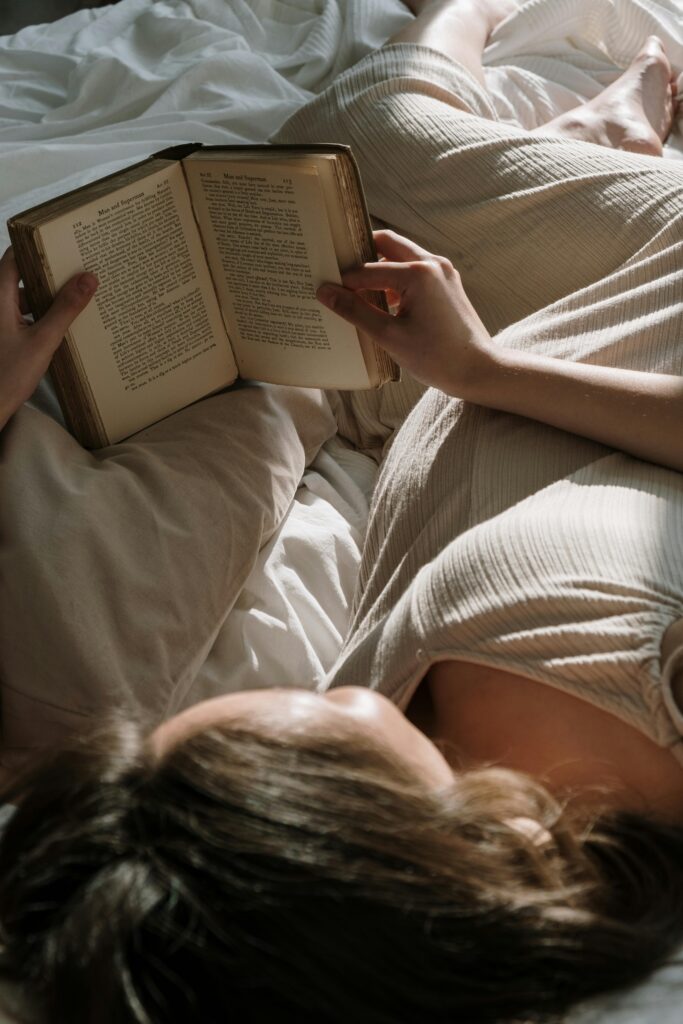
The only rule is that it should feel fulfilling, not like a chore. The simple act of choosing a thoughtful loungewear set on a day at home is a profound form of self-care. It declares you’re tending to your appearance even when unseen; proof it’s for you, not for them. Both the active engagement of a styled day and the passive restoration of an Unstyled one are two sides of the same coin: the art of intentional self-care.