Beyond the Blazer: The Psychology of Dressing for Respect
The CEO of a multi-billion dollar tech company walks into a meeting wearing a simple hoodie, and yet, he is the most powerful person in the room. Why, then, does the blazer, that crisp ancestral uniform, still hold such immense authority in our collective imagination? The answer lies not in the cloth, but in the story we inherited about it.
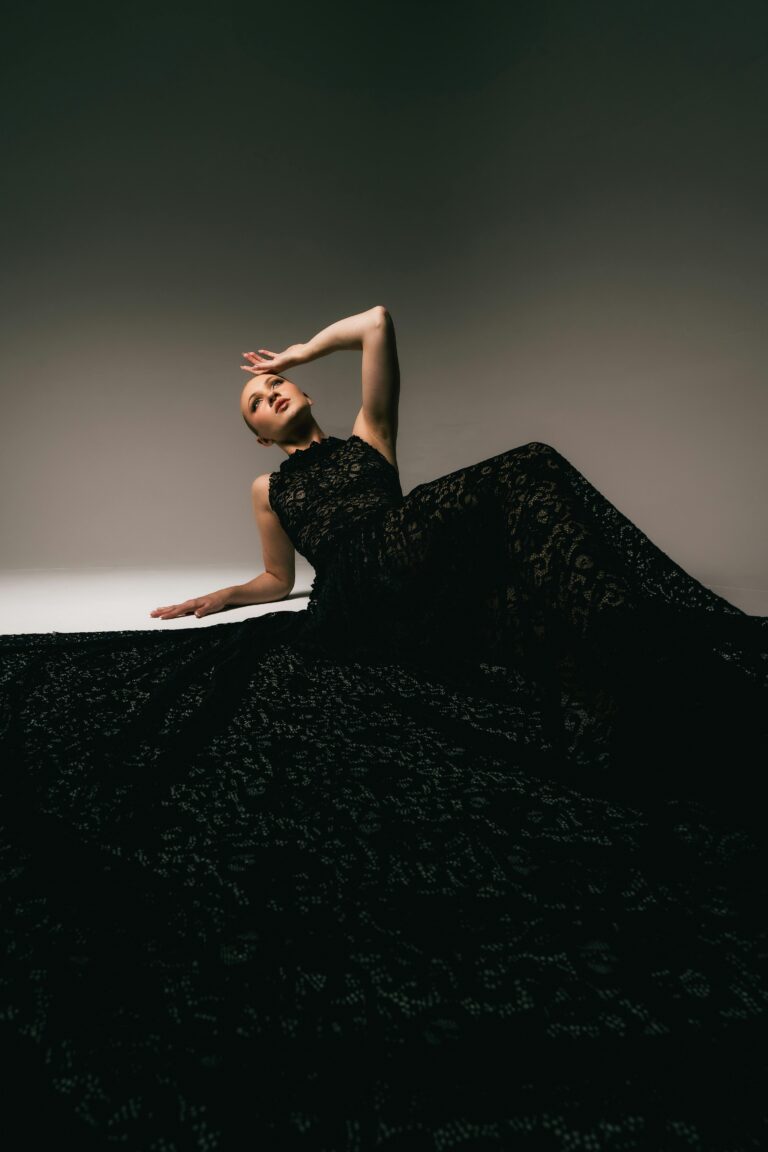
The blazer became a symbol of power because, for centuries, it was worn by men. And back then, men were the symbols of power and strength. They ruled institutions, economies, and empires in these clothes. Even among men, a well-tailored coat became a signifier of class: a garment for the rich, the intelligent, the influential. For women, then, the blazer is the uniform of what was once the most powerful creature in the world. It is also a physical act of claiming space. The blazer broadens the shoulders, and in a world where timidity shrinks presence, it declares space.
Its entry into the woman’s wardrobe marked a quiet revolution. Coco Chanel was one of the first to incorporate it, combining traditional masculinity with feminine elements to signal both power and demureness. It was taken up by icons like Marlene Dietrich and Katherine Hepburn, who wore traditional menswear as an act of stylish defiance.
It became a symbol of the women’s liberation movement in the 1970s, and finally, its shoulders were exaggerated to their peak in the 1980s by Giorgio Armani, becoming the definitive armour for women navigating the male-dominated corporate world.
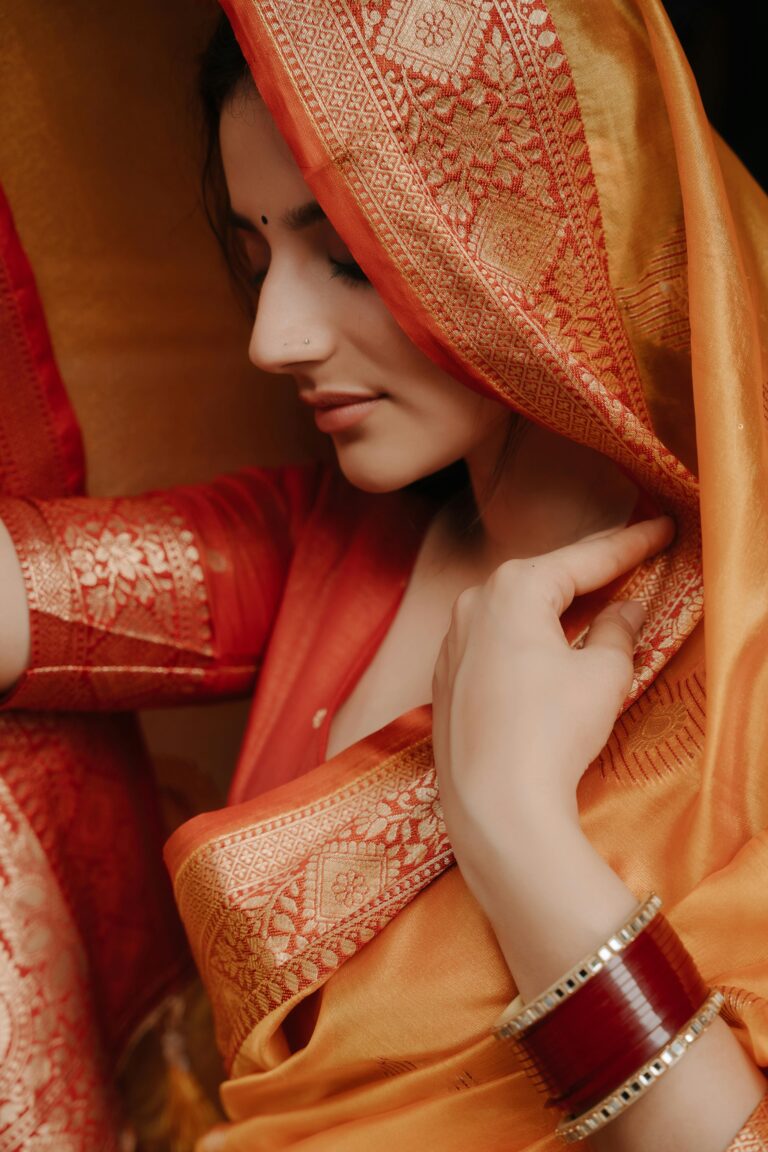
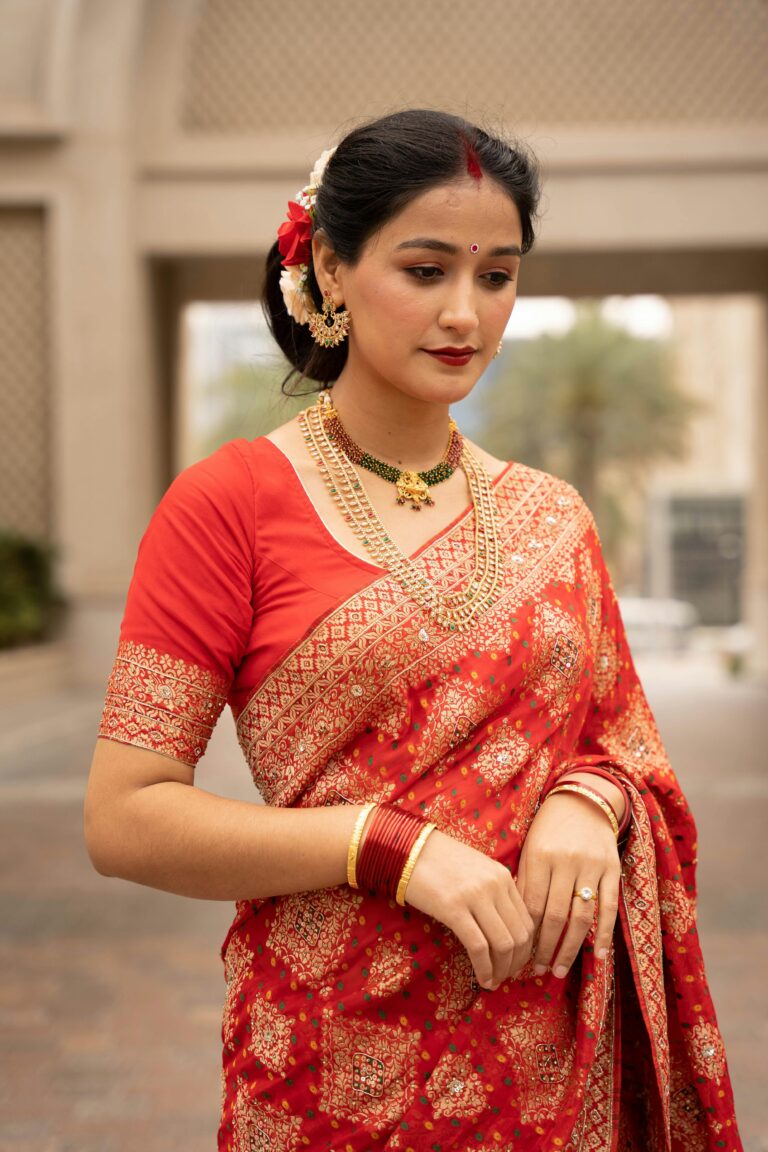
But this Western code of power is not the only language spoken. In India, the Bandhgala, which evolved from the angrakha and achkan, projects a different flavour of power: regal dignity over corporate aggression. Politicians wear its high-necked form, while working women now pair it as a waistcoat with sarees, rejecting the blouse for something more commanding. Showing your neck can make you look more open and friendly; the Bandhgala does the opposite. It makes you feel unapproachable, and the line between authority and distance is thin.
Just as the Bandhgala offers an alternative to the blazer, a new code has emerged to challenge formality itself. The tech-bro hoodie is performance disguised as rebellion: an intentional rejection of formality. It is the perfect uniform to display the “messy, hustle culture, late work” image of a dedicated coder, claiming a new kind of status based on insider knowledge and disruptive innovation.
So why do we feel this need to signal power at all, whether with a suit or a hoodie? The drive is primal. Humans are wired to climb. Strength ensures survival, both social and emotional. You can see it in nature: there is always a fight, literal or emotional, to be at the top so you don’t get crushed. Looking stronger is advantageous. When clothing amplifies visibility, it becomes a weapon of advantage.
This external battle is first fought within. A power outfit can teach the body how to feel powerful. The power lies not in the suit, but in how it is perceived. If you believe a suit is a symbol of authority, your posture changes, your spine gets straighter, and your voice becomes more stable.
This is also why it can feel like an imposter’s costume. For a woman taught to wear feminine clothes, the shift can feel like trying to be someone else. We adapt, adding feminine elements, making the masculine piece our own. There is no compulsion to wear it.
The one thing that the power blazer, the Bandhgala, and the tech-bro hoodie all have in common is this: their power is derived from their association with a tribe of powerful people. The people who wear them define their authority and reshape how we perceive power itself.
And now, a new tribe is emerging. Think of Mark Zuckerberg’s grey t-shirt or Steve Jobs’ black turtleneck. The uniform has evolved once more. Simplicity has become status. Wearing something so simple and comfortable signals that you are so secure in your power, you no longer need the armour. Comfort has become the ultimate status symbol.
Authority is never stitched into fabric. It lives in the stories we choose to believe. True power is the confidence to wear your own history and let the world rewrite its uniforms around you.